
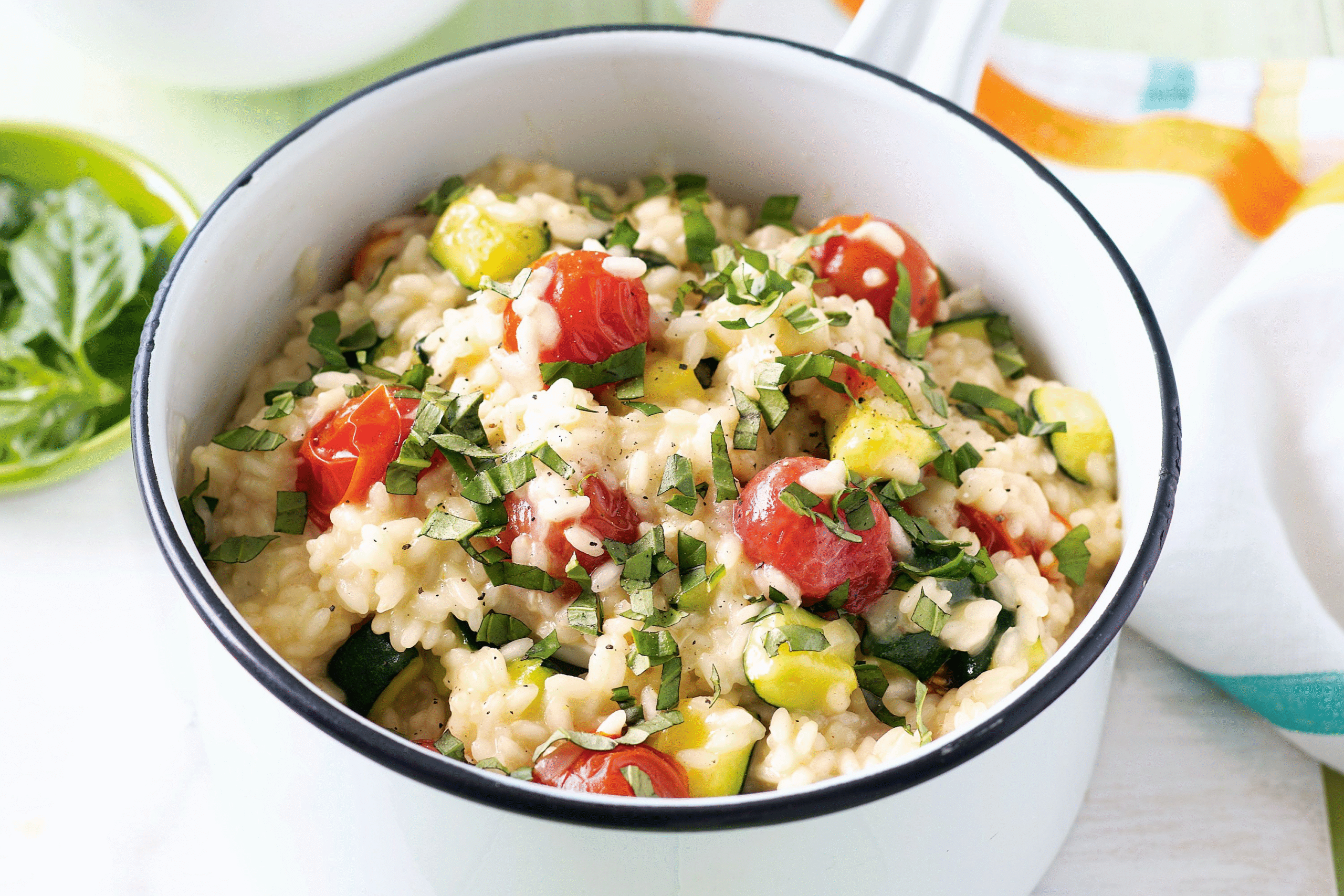
Risotto is one of Italy’s most celebrated dishes, renowned for its creamy texture and comforting flavors. Its history dates back to Northern Italy, particularly the Lombardy and Piedmont regions, where rice cultivation flourished due to fertile plains and abundant water supply. The earliest mentions of risotto appear in the 14th century, but it truly gained popularity in the 16th century when rice became a staple crop in the Po Valley. Unlike pasta, which dominates much of Italian cuisine, risotto represents the northern tradition of rice cookery, giving rise to a dish that is hearty, elegant, and versatile.
One of the most famous stories connected with risotto is that of “Risotto alla Milanese.” According to legend, in 1574, an apprentice working on the stained glass of Milan’s Cathedral decided to color rice with saffron, which was commonly used for dyes. The result was a golden-hued risotto that became an instant favorite, embodying luxury and artistry. Since then, it has become deeply rooted in Italian gastronomy, celebrated not only as a daily comfort food but also as a dish served at festive gatherings and special occasions.
As Italian immigrants spread across Europe and the Americas, risotto found its way into international kitchens. Today, you’ll find countless variations of risotto across the world: mushroom risotto, seafood risotto, pumpkin risotto, and even modern twists with truffle oil or exotic spices. The dish has maintained its Italian essence but continues to adapt to local ingredients and preferences. Its appeal lies in its ability to absorb flavors, making it a perfect canvas for both traditional and creative culinary expressions.
Modern-day this Dish holds a place of prestige in fine dining restaurants, where chefs showcase their skills through perfect timing, flavor balance, and consistency. At the same time, it remains a homely dish cooked lovingly in Italian households. The slow, meditative process of stirring the rice and gradually adding broth turns cooking This dish into an experience rather than just a recipe. It is food that symbolizes patience, warmth, and the art of transforming simple ingredients into something extraordinary.
Risotto Ingredients (Serves 4)
- Arborio rice – 1 ½ cups (300 g)
- Olive oil – 2 tbsp
- Unsalted butter – 3 tbsp (divided)
- Onion – 1 medium, finely chopped
- Garlic – 2 cloves, minced
- White wine – ½ cup (120 ml)
- Vegetable or chicken broth – 4 cups (1 liter), kept warm
- Parmesan cheese – ½ cup (50 g), grated
- Mushrooms – 1 cup (100 g), sliced (optional)
- Saffron strands – a pinch (optional, for Risotto alla Milanese)
- Fresh parsley – 2 tbsp, chopped
- Salt – to taste
- Black pepper – ½ tsp
Steps
- Heat broth in a saucepan and keep it warm over low heat.
- In a large skillet or pan, heat olive oil and 1 tbsp butter. Add onions and garlic, sauté until soft and translucent.
- Add Arborio rice and toast for 2 minutes, stirring to coat each grain with oil and butter.
- Pour in the white wine and stir until fully absorbed.
- Begin adding the warm broth, one ladle at a time, stirring continuously. Wait until the liquid is absorbed before adding the next ladle.
- Continue this process for 18–20 minutes until the rice is creamy and tender but still slightly firm in the center (al dente).
- If using mushrooms, sauté them separately in butter and add them to the risotto midway through cooking. For a saffron risotto, steep saffron strands in warm broth and incorporate during cooking.
- Once the rice is cooked, remove from heat. Stir in the remaining butter and grated Parmesan cheese for extra creaminess.
- Season with salt and black pepper, garnish with fresh parsley, and serve hot.
Health Benefits
Though often seen as a rich dish, provides several nutritional benefits. Arborio rice is a good source of carbohydrates, giving steady energy. When made with vegetable or chicken broth, risotto is light yet filling. Adding mushrooms, vegetables, or seafood boosts protein, vitamins, and minerals, making it more balanced. Olive oil and moderate use of butter provide healthy fats, while Parmesan cheese contributes calcium and protein. The dish is also naturally gluten-free, making it suitable for those with gluten sensitivities. Choosing fresh, wholesome ingredients ensures that This dish can be both indulgent and nourishing.
Kitchen Tip: Always use warm broth when cooking risotto—cold broth lowers the cooking temperature and prevents the rice from releasing its creamy starch properly.