
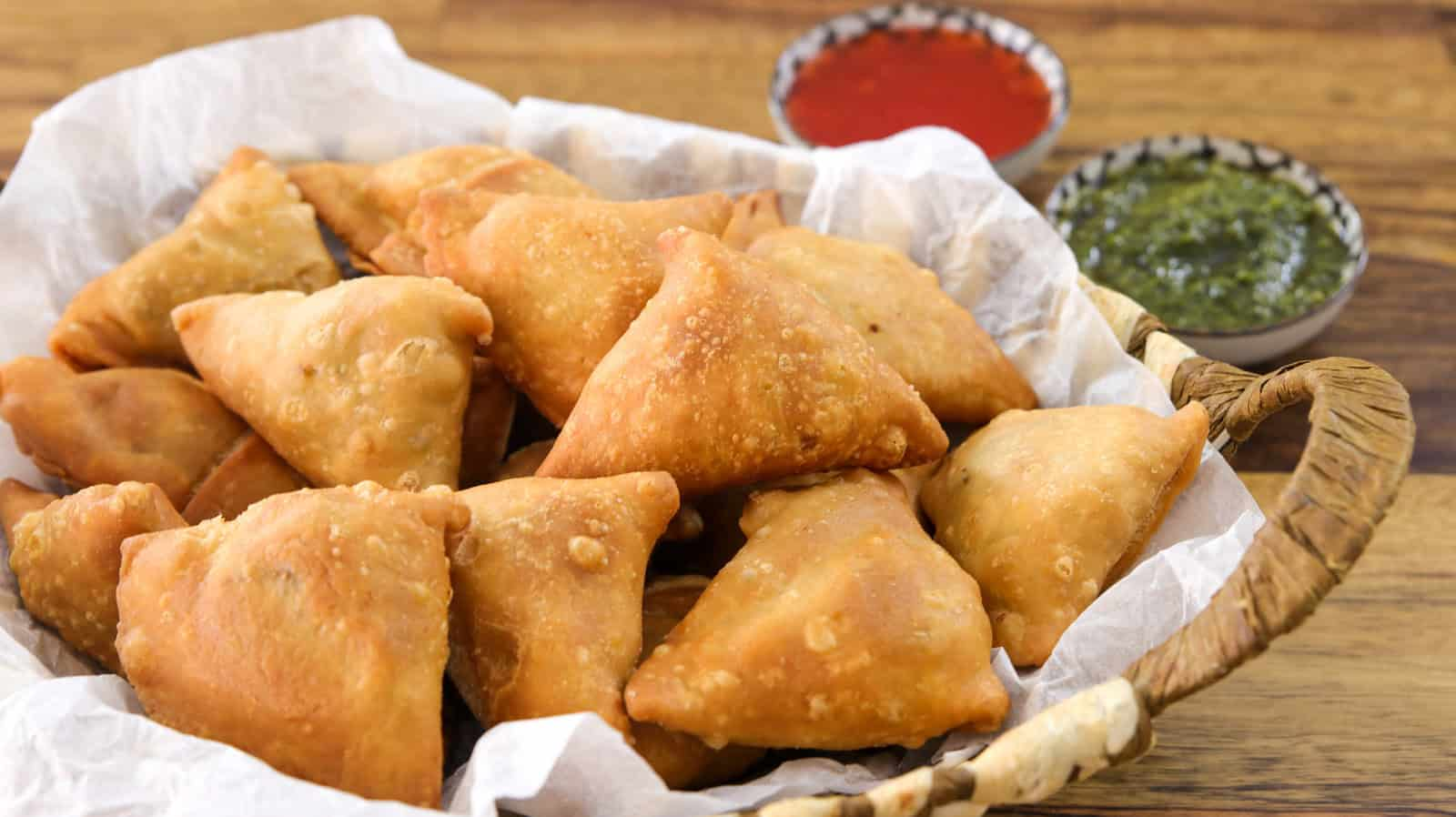
Samosa is one of India’s most iconic snacks, instantly recognized by its triangular shape, crispy crust, and aromatic filling. Though today it is considered a quintessential part of Indian cuisine, its history dates back many centuries and crosses multiple regions. The earliest mention of a dish similar to the samosa can be found in Persian texts from the 10th century, where it was referred to as sambosa or sambusak.
Traders and travelers carried it along the Silk Road into Central Asia and eventually to the Indian subcontinent during the Delhi Sultanate in the 13th and 14th centuries. Once introduced, it was embraced wholeheartedly, adapted with local ingredients, and transformed into the samosa we love today.Over time, the samosa became a snack deeply tied to Indian culture, particularly in the northern states.
While the Middle Eastern versions often had meat-based fillings, Indian cooks began using potatoes, peas, lentils, and spices that reflected the richness of local agriculture and vegetarian traditions. Its affordability and delicious taste made it popular across all classes of society. From humble roadside vendors to lavish royal feasts, the samosa found its place on every table. Its triangular parcel filled with spiced goodness became more than just a snack—it became a cultural symbol of hospitality, celebration, and togetherness.
As the Indian diaspora spread across the globe, samosas traveled with them, becoming beloved worldwide. Today, you can find samosas in London tea houses, New York street food stalls, and Middle Eastern bakeries, each with unique variations. While the classic potato-and-pea filling remains a favorite in India, other versions include chicken, lamb, cheese, lentils, or even chocolate. This adaptability has kept the samosa relevant and exciting across cultures, bridging culinary traditions and delighting food lovers everywhere.
The enduring charm of the samosa lies in its versatility and balance of flavors. The crispy, golden outer shell contrasts perfectly with the soft and spicy filling inside. Paired with tangy tamarind chutney, refreshing mint chutney, or even a cup of masala chai, the samosa is an experience of comfort, nostalgia, and indulgence. Whether enjoyed at a bustling bazaar, during a festive gathering, or as an evening snack at home, samosas never fail to bring a smile.
Ingredients (Makes 12–14 samosas)
For the Dough
- All-purpose flour (maida) – 2 cups (250 g)
- Carom seeds (ajwain) – ½ tsp
- Salt – 1 tsp
- Oil or ghee – 4 tbsp
- Water – ½ cup (adjust as needed)
For the Filling
- Potatoes – 4 medium, boiled and mashed
- Green peas – ½ cup (fresh or frozen)
- Onion – 1 small, finely chopped (optional)
- Green chilies – 2, finely chopped
- Ginger – 1 tsp, grated
- Cumin seeds – 1 tsp
- Coriander powder – 1 tsp
- Garam masala – ½ tsp
- Red chili powder – ½ tsp
- Turmeric powder – ¼ tsp
- Salt – to taste
- Oil – 2 tbsp
- Fresh coriander leaves – 2 tbsp, chopped
- Lemon juice – 1 tsp
For Frying
- Oil – for deep frying
Steps
- In a large bowl, mix flour, carom seeds, salt, and oil. Rub the oil into the flour until it resembles breadcrumbs.
- Add water little by little and knead into a stiff dough. Cover with a damp cloth and rest for 30 minutes.
- Heat oil in a pan, add cumin seeds, and let them crackle. Then add ginger, green chilies, and onions (if using). Sauté lightly.
- Add peas and cook for a few minutes, then stir in mashed potatoes.
- Add coriander powder, garam masala, red chili powder, turmeric, and salt. Mix well and cook for 3–4 minutes.
- Add lemon juice and chopped coriander, then let the filling cool completely.
- Divide dough into equal balls. Roll each ball into an oval, cut into two halves.
- Take one half, fold into a cone shape, and seal the edge with water.
- Fill the cone with the potato mixture, then seal the top by pinching edges together. Repeat for all samosas.
- Heat oil for deep frying on medium flame. Gently slide samosas in and fry until golden brown and crispy. Remove and drain on paper towels.
- Serve hot with green chutney, tamarind chutney, or ketchup.
Health Benefits
While samosas are considered indulgent, they can provide energy and nutrients when prepared thoughtfully. Potatoes and peas supply carbohydrates, fiber, and vitamins, while spices like ginger, turmeric, and cumin add antioxidants and aid digestion. Using whole wheat flour instead of refined flour for the dough increases fiber, and baking samosas instead of frying reduces fat content. Samosas can also be filled with protein-rich options like lentils or paneer to make them more balanced.
Kitchen Tip: Always fry samosas on medium heat—this ensures the crust cooks evenly, stays crispy, and doesn’t absorb excess oil.