
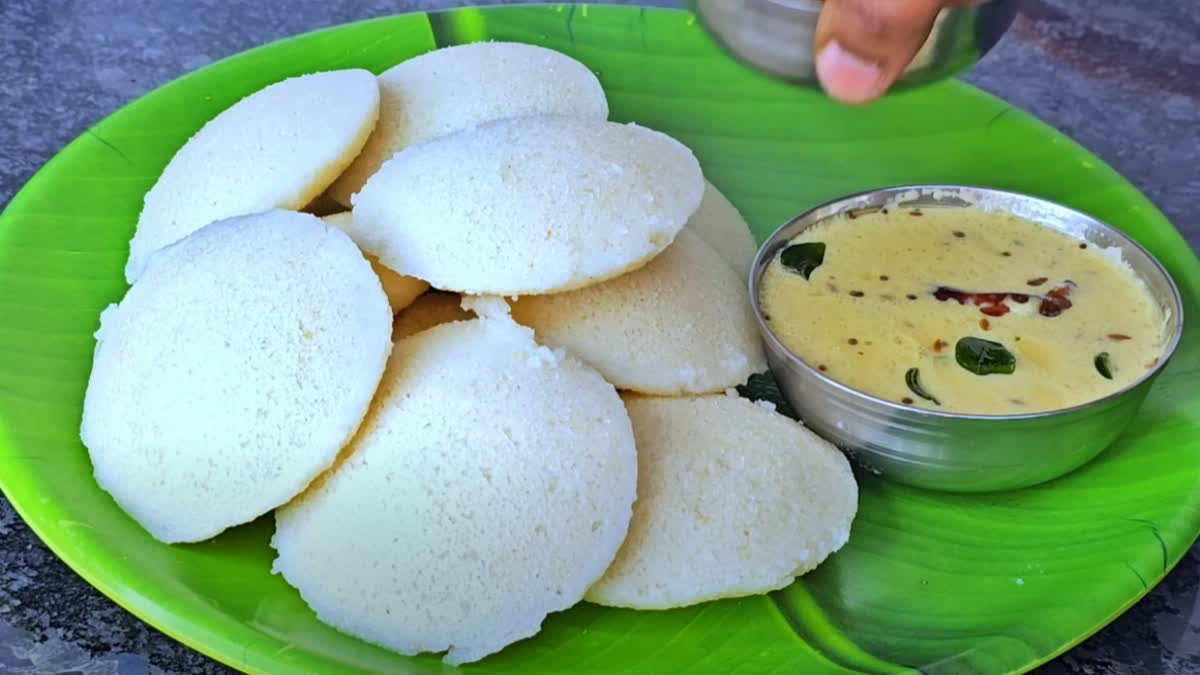
Idli sambar is one of the most beloved dishes of South India, cherished for its wholesome, comforting, and flavorful combination. Idlis are soft, fluffy steamed rice cakes, while sambar is a tangy and spicy lentil-based vegetable stew flavored with tamarind and aromatic spices. Together, they form a balanced meal that is enjoyed across India and around the world. The history of idli can be traced back to ancient times, with references in Tamil literature as early as the 8th century. Some historians believe the dish was influenced by Indonesian fermentation techniques brought to South India by traders. Over time, idli evolved into a staple breakfast food, especially in Tamil Nadu, Karnataka, and Andhra Pradesh.
Sambar, on the other hand, has a fascinating story of its own. It is believed to have originated in the Maratha royal kitchens of Thanjavur, Tamil Nadu, during the 17th century. The tale goes that Sambhaji, the son of Chhatrapati Shivaji, once experimented with tamarind in a dal dish, giving birth to what is now called “sambar.” This lentil stew, infused with tamarind, spices, and vegetables, perfectly complemented idli and other South Indian staples like dosa and vada. Over the centuries, the pairing of idli and sambar became a breakfast ritual and cultural symbol of South India.
The popularity of idli sambar soon spread across India and later the world, thanks to its simple yet nutritious qualities. South Indian restaurants in metropolitan cities made it widely accessible, and it became a staple not just for breakfast but also for lunch, dinner, and even festive occasions. Today, idli sambar is celebrated internationally in Indian restaurants and is loved for being light, healthy, and satisfying. The dish has also inspired countless variations, from mini idlis dunked in sambar to fusion versions served with chutneys, podis, and even global twists.
What makes idli sambar truly special is its balance of nutrition, taste, and tradition. The fluffy idlis provide a gentle texture, while the sambar delivers layers of flavor—tangy, spicy, and aromatic. Together, they are not only a culinary delight but also a wholesome meal that connects people with the cultural heart of South India. Whether served on a banana leaf during a festive feast or on a simple steel plate at a roadside tiffin stall, idli sambar remains a timeless classic that never loses its charm.
Idli Sambar Ingredients (Serves 4)
For Idli Batter
- Idli rice – 2 cups (400 g)
- Urad dal (split black gram) – 1 cup (200 g)
- Fenugreek seeds – ½ tsp
- Salt – 1 tsp
- Water – as needed
For Sambar
- Toor dal (pigeon peas) – 1 cup (200 g)
- Tamarind – lemon-sized ball (soaked in warm water, pulp extracted)
- Onion – 1 medium, sliced
- Tomato – 2 medium, chopped
- Drumsticks (vegetable) – 1 cup, cut into pieces
- Carrot – 1 medium, diced
- Brinjal (eggplant) – 1 medium, diced
- Turmeric powder – ½ tsp
- Sambar powder – 2 tbsp
- Salt – to taste
- Water – 3–4 cups
For Tempering
- Oil or ghee – 2 tbsp
- Mustard seeds – 1 tsp
- Curry leaves – 8–10
- Dry red chilies – 2
- Asafoetida (hing) – a pinch
Steps
- Wash and soak idli rice, urad dal, and fenugreek seeds separately for at least 6 hours.
- Grind urad dal with little water into a fluffy batter. Grind rice into a smooth paste. Mix both batters, add salt, and let ferment overnight until doubled in volume.
- Grease idli molds and pour batter into each cavity. Steam in an idli steamer for 10–12 minutes until soft and spongy. Remove and set aside.
- Pressure cook toor dal with turmeric and 2 cups water until soft. Mash and keep aside.
- In a pot, add vegetables, tamarind pulp, and 2 cups water. Cook until vegetables are tender.
- Add chopped tomatoes, sambar powder, and salt. Stir well and cook for 5–6 minutes.
- Mix in cooked dal and simmer on low flame until the flavors blend. Add more water if required for desired consistency.
- Heat oil or ghee in a small pan, add mustard seeds, curry leaves, dry red chilies, and hing. Let it splutter.
- Pour the tempering over the simmering sambar and mix well.
- Serve hot idlis with steaming sambar, along with coconut chutney if desired.
Health Benefits
Idli sambar is considered one of the healthiest meals in Indian cuisine. Idlis are steamed, making them low in fat and easy to digest, while being a good source of carbohydrates and protein from rice and lentils. The fermentation process enhances gut health and improves nutrient absorption. Sambar, made with toor dal and vegetables, provides protein, fiber, vitamins, and minerals, along with the goodness of spices that aid digestion. Together, they make a balanced, filling, and nourishing dish that can be enjoyed daily.
Kitchen Tip: For softer idlis, always use well-fermented batter and steam on medium heat instead of high heat to avoid dense texture.