
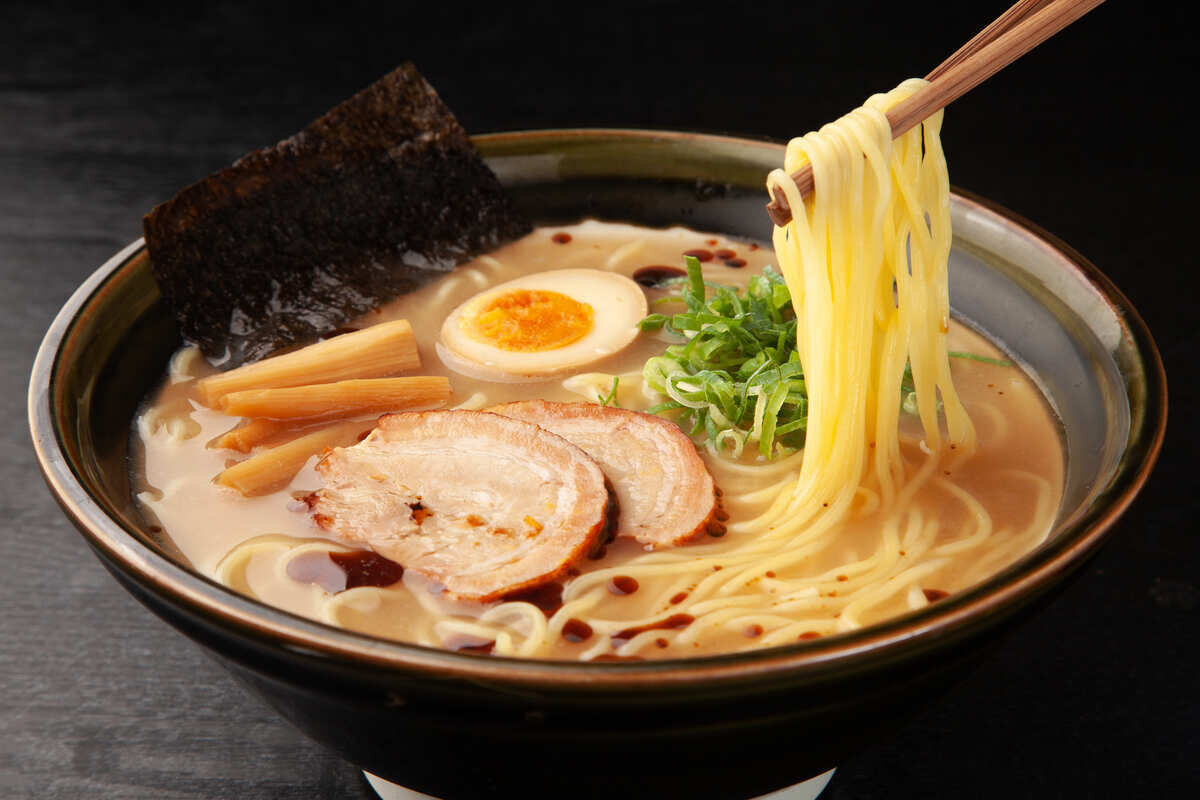
Ramen is one of Japan’s most famous and comforting culinary creations, adored worldwide for its flavorful broth, chewy noodles, and endless topping possibilities. Although it is now a symbol of Japanese cuisine, ramen’s origins are believed to have come from China. The earliest versions, introduced to Japan in the late 19th century, were wheat noodles served in a simple broth known as shina soba. Over time, Japanese chefs refined the dish, adapting it to local tastes and regional ingredients, which gave rise to the diverse ramen styles we see today. By the early 20th century, this dish had already become a popular street food in port cities like Yokohama, served from food stalls that provided a quick yet hearty meal.
The post-World War II era marked a turning point in ramen’s popularity. With food shortages and the introduction of cheap wheat flour supplied by the United States, ramen became a staple for many Japanese families. In 1958, the invention of instant ramen by Momofuku Ando revolutionized the way the world consumed this dish, making it accessible and convenient for people everywhere. What was once a humble working-class food began to rise in reputation, eventually earning its place as a global culinary sensation.
As this dish spread throughout Japan, different regions began creating their own unique versions. Sapporo in Hokkaido became famous for its miso ramen, with rich, hearty broths ideal for cold winters. Hakata in Fukuoka developed tonkotsu ramen, a pork bone broth simmered for hours until creamy and full of umami. Tokyo popularized shoyu ramen with a soy sauce–based broth, while other areas experimented with salt-based (shio) versions or seafood-infused broths. Each style carried a distinct identity, showcasing the creativity and adaptability of Japanese cooking.
Today, ramen is much more than just noodles in broth—it’s a cultural icon and culinary art form. Across the world, ramen shops and high-end restaurants alike serve both traditional recipes and modern fusions, adding gourmet toppings, experimenting with plant-based broths, or even elevating instant ramen into gourmet experiences. Whether enjoyed from a steaming bowl in a bustling Japanese noodle shop or recreated at home with care, this dish embodies comfort, tradition, and innovation all at once.
Ingredients
For the Broth
- Pork bones or chicken bones – 1 kg (for tonkotsu or chicken broth)
- Water – 3 liters
- Soy sauce – ½ cup
- Miso paste – 3 tbsp (for miso ramen version)
- Salt – 1 tbsp
- Garlic – 5 cloves, crushed
- Ginger – 2-inch piece, sliced
- Onion – 1 large, halved
- Dried kelp (kombu) – 10 g
- Dried bonito flakes (katsuobushi) – ½ cup (optional, for umami)
For the Noodles
- Fresh ramen noodles – 400 g (or dried ramen noodles if fresh not available)
For Toppings
- Chashu pork (braised pork belly) – 200 g, sliced
- Soft-boiled eggs (ajitsuke tamago) – 2, halved
- Bamboo shoots (menma) – ½ cup
- Nori (seaweed) sheets – 2, cut into halves
- Scallions – 3, finely chopped
- Corn kernels – ½ cup (optional, for miso ramen)
Steps
- In a large stockpot, add pork or chicken bones and cover with water. Bring to a boil for 10 minutes, then discard water to remove impurities.
- Refill with 3 liters of fresh water, then add garlic, ginger, onion, and kombu. Simmer on low heat for at least 6–8 hours (for a rich tonkotsu broth, simmer up to 12 hours).
- Once broth is ready, strain out solids, leaving only the rich, flavorful liquid.
- Season broth with soy sauce, miso paste (if using), and salt. Adjust taste to balance savory and umami flavors.
- Cook ramen noodles according to package instructions (usually 3–4 minutes in boiling water). Drain and divide into serving bowls.
- Pour hot broth over the noodles.
- Arrange toppings neatly: place slices of chashu pork, half of a soft-boiled egg, bamboo shoots, corn, and nori. Sprinkle scallions on top.
- Serve steaming hot with chopsticks and a spoon for the broth.
Health Benefits
While often considered indulgent, can be made into a nourishing dish when prepared with care and fresh ingredients. The broth is rich in minerals and collagen (especially from pork or chicken bones), which support joint and skin health. Adding vegetables such as corn, spinach, or mushrooms increases the fiber and vitamin content. Protein-rich toppings like eggs and pork provide energy and muscle support, while seaweed contributes iodine and antioxidants. To make This dish even healthier, opt for a lighter broth with less salt and add more vegetables to balance out the dish.
Kitchen Tip: For extra flavorful eggs, marinate soft-boiled eggs overnight in soy sauce, mirin, and a splash of sake before slicing them for your ramen.