
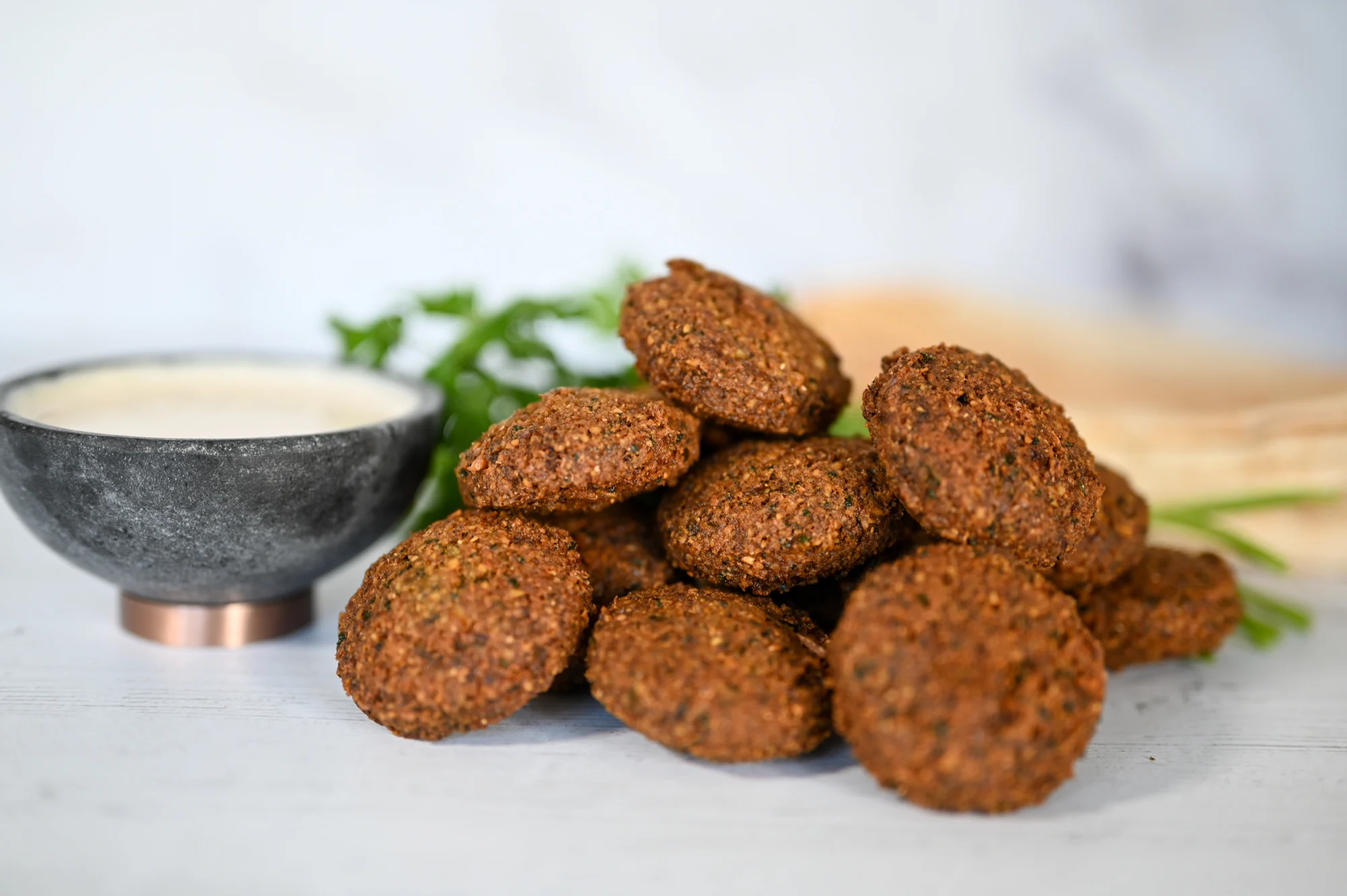
Falafel is one of the most popular and cherished dishes in Middle Eastern cuisine, enjoyed worldwide for its crunchy exterior and soft, flavorful interior. Its roots trace back to Egypt, where it was originally made with fava beans and called ta’amiya. Over time, the recipe spread across the Middle East, especially to Lebanon, Israel, and Syria, where chickpeas became the star ingredient. Today, falafel is a global favorite, often found in street food stalls, restaurants, and homes. Its appeal lies in its versatility—it can be eaten as a snack, appetizer, or main course, making it a true culinary icon.
Throughout history, falafel has been more than just food; it has been part of culture and tradition. In many Middle Eastern countries, it is a staple breakfast or street snack, served fresh and hot in pita bread with tahini sauce, hummus, pickles, and fresh vegetables. Its popularity grew across the world as people embraced vegetarian and vegan lifestyles, with falafel becoming a go-to protein-rich alternative to meat. From food trucks in New York to cafes in Europe and Asia, falafel has cemented its place as a healthy, delicious, and satisfying meal option.
The magic of falafel comes from its blend of simple ingredients that create bold flavors. Soaked chickpeas or fava beans are ground with herbs like parsley and cilantro, along with onions, garlic, and warm spices such as cumin and coriander. The mixture is shaped into small balls or patties, then deep-fried until golden brown. The result is a crispy outer layer that gives way to a soft, fluffy, and aromatic inside. Its nutty, herby, and slightly spicy flavor makes falafel a versatile dish that pairs beautifully with salads, wraps, or even eaten on its own.
What makes falafel truly special is how it has adapted across cultures. Some regions add sesame seeds or spices for extra crunch, while others bake falafel instead of frying for a healthier twist. Whether enjoyed as street food in Cairo, a falafel wrap in Tel Aviv, or a salad topping in New York, this humble dish continues to win hearts around the globe. Its combination of taste, texture, and health benefits ensures falafel will always remain a global culinary treasure.
Ingredients
- Dried chickpeas – 1 cup (soaked overnight)
- Onion – 1 medium (chopped)
- Garlic – 4 cloves
- Fresh parsley – ½ cup (chopped)
- Fresh cilantro – ½ cup (chopped)
- Cumin powder – 1 tsp
- Coriander powder – 1 tsp
- Baking soda – ½ tsp
- Salt – to taste
- Black pepper – ½ tsp
- Oil – for deep frying
Steps
- Soak dried chickpeas overnight in plenty of water. Drain completely before using.
- In a food processor, add chickpeas, onion, garlic, parsley, and cilantro. Pulse until you get a coarse, grainy mixture (do not make it too smooth).
- Add cumin, coriander, salt, pepper, and baking soda. Mix well to combine.
- Transfer the mixture to a bowl, cover, and refrigerate for at least 1 hour. This helps bind the mixture.
- Shape the mixture into small balls or patties using damp hands.
- Heat oil in a deep pan over medium heat. Carefully drop the falafel balls into the hot oil.
- Fry until golden brown and crispy on all sides, about 3–4 minutes per batch.
- Remove and drain on paper towels. Serve hot with pita bread, tahini sauce, hummus, or salad.
Health Benefits
Falafel is not only delicious but also highly nutritious. Since it is made from chickpeas, it is an excellent source of plant-based protein and dietary fiber, which promote muscle health and digestion. The herbs like parsley and cilantro are rich in antioxidants and vitamins, while spices like cumin and coriander aid digestion and improve metabolism. When baked instead of fried, falafel becomes an even healthier choice, making it a great option for vegans, vegetarians, and anyone looking for a wholesome, satisfying meal.
Kitchen Tip: To keep falafel crispy, always fry them in medium-hot oil and avoid overcrowding the pan—this ensures they cook evenly and stay crunchy.