
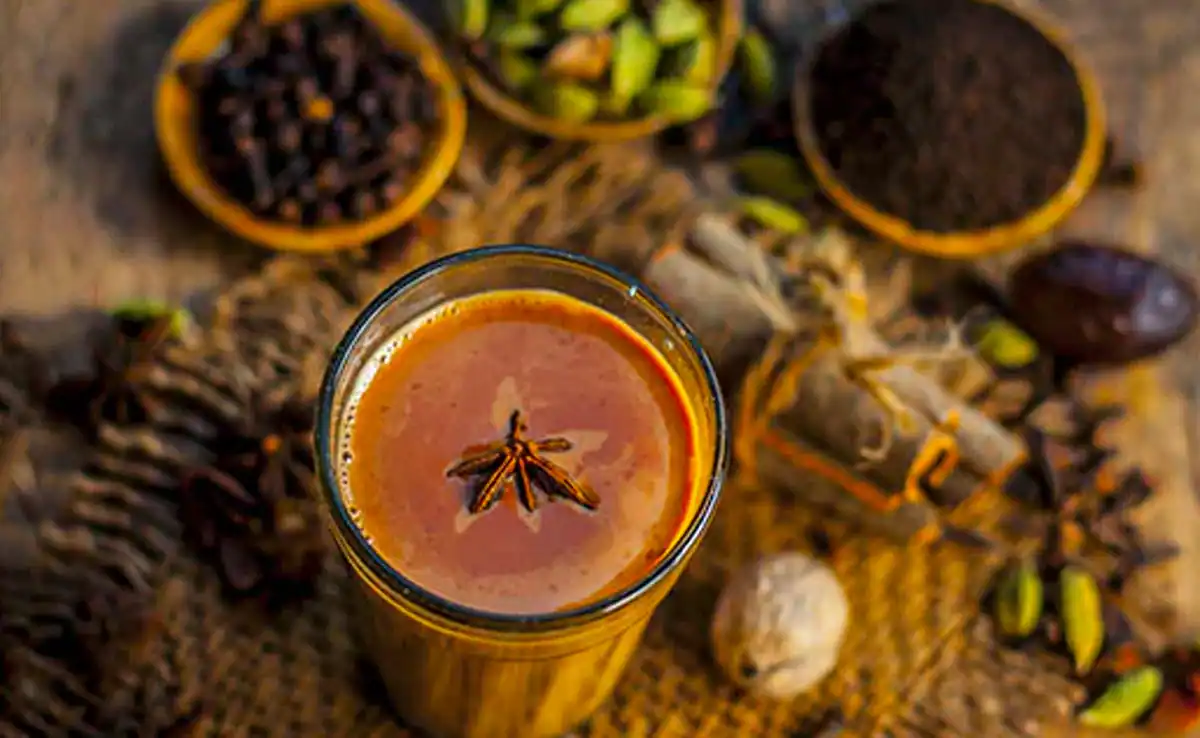
Masala tea, also known as chai, is one of the most iconic and beloved beverages of India, cherished for its rich aroma, spicy warmth, and comforting taste. Its history dates back centuries, with roots in ancient Ayurvedic traditions where a blend of spices was brewed in water to promote health and wellness. Tea leaves themselves became part of the recipe only in the 19th century when the British introduced tea plantations in Assam and Darjeeling.
Over time, Indians combined the strong flavor of black tea with traditional spices, milk, and sugar to create the unique and irresistible drink we know today as masala tea. From small tea stalls on bustling streets to elegant homes and cafes, this beverage has become an inseparable part of daily life in India. The popularity of masala tea extends far beyond Indian borders. In recent decades, chai has gained worldwide recognition, with “chai lattes” becoming a staple in coffee shops across the globe.
What makes it so appealing is not just the bold taste but the sense of warmth and community it carries. In India, sharing a cup of masala tea is considered a gesture of hospitality and friendship. Whether it’s a morning ritual, an evening break, or a companion during conversations, masala tea brings people together. Its versatility also makes it special—each household has its own unique recipe, with variations in spice blends, sweetness, and strength of tea, ensuring that no two cups are ever exactly alike.
The preparation of masala tea is an art form in itself. Traditionally, a mixture of spices like cardamom, ginger, cloves, cinnamon, and black pepper are simmered in water to release their flavors. Strong black tea leaves are then added, followed by milk and sugar, which balance the spice with creaminess and sweetness. The resulting brew is bold, aromatic, and deeply satisfying.
Some families prefer their masala tea heavy on ginger for a spicy kick, while others highlight the sweetness of cardamom or the earthy tones of cinnamon. This adaptability allows masala tea to fit every mood and season—warming in winter, soothing during the rains, and refreshing even in summer when enjoyed lightly brewed.
Beyond being just a drink, masala tea holds cultural significance. It is the drink of conversations, of long train journeys, of office breaks, and of quiet mornings at home. It represents comfort and familiarity, yet never fails to excite the senses with its vibrant flavors. For many, brewing a pot of masala tea is not just about quenching thirst but about creating a moment of calm and joy in the middle of a busy day. Its enduring legacy is proof of how a simple cup of tea can carry centuries of tradition, hospitality, and love within it.
Masala Tea Ingredients
- Water – 2 cups
- Full cream milk – 1 cup
- Black tea leaves – 2 tbsp (or 2 tea bags)
- Fresh ginger – 1 inch (crushed)
- Green cardamom pods – 3 (lightly crushed)
- Cloves – 2
- Cinnamon stick – 1 small piece
- Black peppercorns – 3 to 4
- Sugar – 2 tsp (or to taste)
Steps
- In a saucepan, bring 2 cups of water to a boil.
- Add crushed ginger, cardamom, cloves, cinnamon, and black peppercorns. Let the spices simmer for 3–4 minutes until aromatic.
- Add the black tea leaves and allow them to steep for 2–3 minutes.
- Pour in 1 cup of milk and bring the mixture to a gentle boil.
- Add sugar according to taste and stir well.
- Simmer for another 2 minutes to let the flavors combine.
- Strain the tea into cups and serve hot.
Health Benefits
Masala tea is not just delicious but also packed with health benefits. The spices used are known for their medicinal properties—ginger aids digestion and boosts immunity, cardamom improves metabolism, cinnamon helps regulate blood sugar, and cloves are known for their antibacterial properties. Black pepper stimulates circulation and enhances nutrient absorption, while black tea itself contains antioxidants that promote heart health. Together, these ingredients create a powerful drink that strengthens the body while providing comfort to the mind.
Kitchen Tip: For a richer flavor, crush your spices fresh just before brewing instead of using pre-ground spice powders.