
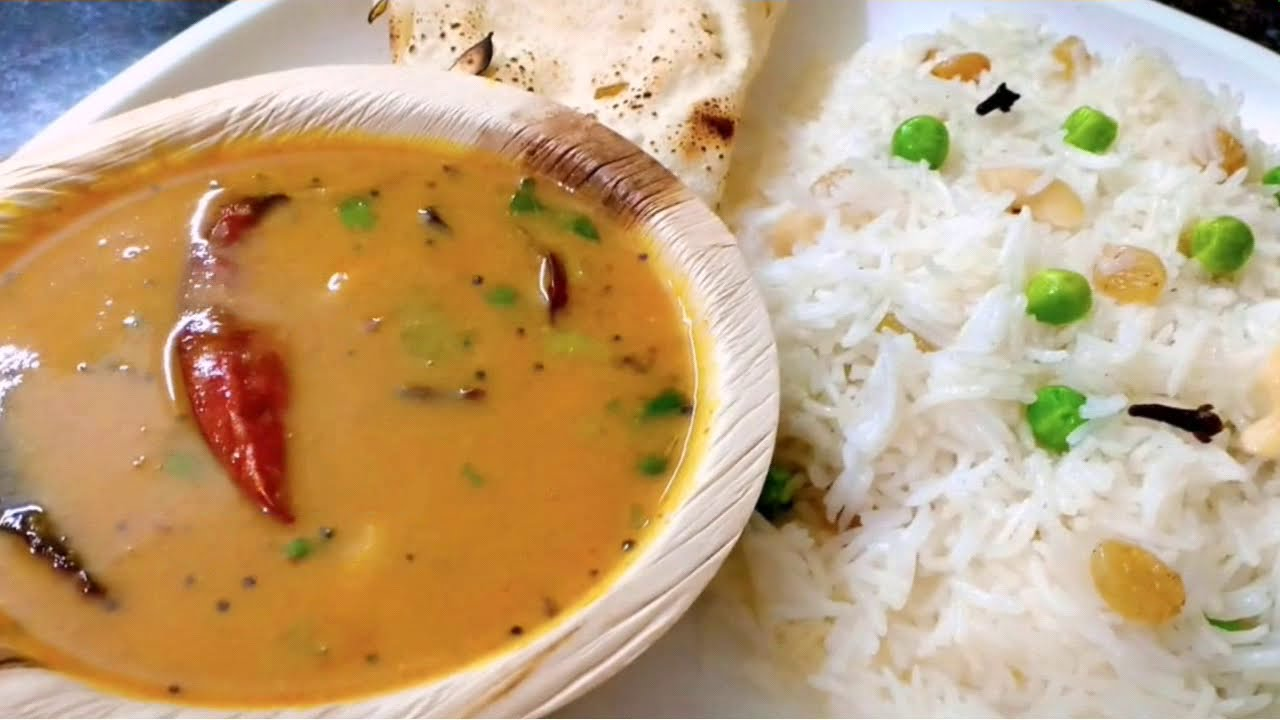
Dal Chawal is one of the most comforting and wholesome meals in Indian cuisine. This simple yet nourishing combination of lentils (dal) and steamed rice (chawal) holds a special place in every Indian household. Its history dates back centuries when pulses and rice became staple foods due to their availability, nutritional value, and ease of cooking. Traditionally enjoyed across all regions of India, Dal Chawal is often considered the ultimate soul food, providing both sustenance and satisfaction in every bite.
The origin of Dal Chawal is deeply rooted in Indian culinary traditions, where dal (lentils) and rice complement each other perfectly to create a complete meal. Lentils provide essential proteins and micronutrients, while rice offers carbohydrates, making it a balanced dish. Over time, different regions developed their own versions, such as moong dal with rice in the north, toor dal in the west, and masoor dal in the east. Despite these variations, the essence of Dal Chawal remains the same—a simple, hearty meal that embodies comfort and tradition.
Dal Chawal is not just a dish; it is an emotion. For many Indians, it represents home-cooked goodness and nostalgia. Whether it’s served on a lazy weekend afternoon or as a quick weekday dinner, it brings warmth and contentment. The aroma of freshly cooked rice paired with tempered dal creates a sensory experience that feels both indulgent and soothing. Its versatility is another reason for its popularity—you can pair it with papad, pickle, or ghee for a richer experience, or keep it light and plain for a wholesome diet.
In today’s fast-paced world, Dal Chawal continues to hold its ground as a go-to comfort food. It has also gained popularity globally as a vegetarian-friendly, protein-rich meal. With its simple preparation and affordable ingredients, it remains a favorite among health-conscious eaters and those seeking authentic Indian flavors. From lavish thalis to everyday meals, Dal Chawal proves that sometimes, simplicity is the ultimate sophistication.
Dal Chawal Ingredients
Serves: 4
- Split pigeon peas (toor dal) – 1 cup
- Water – 4 cups (for cooking dal)
- Rice – 1 ½ cups
- Water – 3 cups (for cooking rice)
- Turmeric powder – ½ tsp
- Salt – to taste
- Ghee – 2 tbsp
- Cumin seeds – 1 tsp
- Mustard seeds – ½ tsp
- Green chilies – 2 (slit)
- Dry red chilies – 2
- Garlic – 5 cloves (finely chopped)
- Ginger – 1-inch piece (grated)
- Onion – 1 medium (chopped)
- Tomato – 2 medium (chopped)
- Asafoetida (hing) – a pinch
- Fresh coriander leaves – ¼ cup (chopped)
Steps
- Wash and soak the toor dal for 20 minutes. Drain the water.
- In a pressure cooker, add the soaked dal, 4 cups of water, turmeric powder, and salt. Cook for 3–4 whistles or until the dal becomes soft and mushy. Mash lightly once cooked.
- Rinse the rice thoroughly. In another pot, bring 3 cups of water to a boil. Add the rice and cook until soft and fluffy. Drain excess water if needed.
- For the tempering, heat ghee in a pan. Add cumin seeds, mustard seeds, and allow them to splutter.
- Add asafoetida, dry red chilies, green chilies, garlic, and ginger. Sauté until aromatic.
- Add onions and cook until golden brown, then add tomatoes and cook until soft and the oil separates.
- Pour this tempering into the cooked dal and mix well. Simmer for 3–4 minutes to blend flavors.
- Garnish with fresh coriander leaves and serve hot with steamed rice.
Health Benefits
Dal Chawal is a powerhouse of nutrition. Lentils are rich in protein, fiber, and essential minerals like iron and potassium, making them an excellent choice for vegetarians. Rice provides energy through complex carbohydrates, and when combined with dal, it forms a complete protein meal. This combination supports digestion, boosts immunity, and keeps you full for longer. The use of ghee adds healthy fats, while spices like cumin and asafoetida aid in digestion.
Kitchen Tip: Add a dollop of ghee on top of steaming hot dal chawal for enhanced flavor and aroma.