
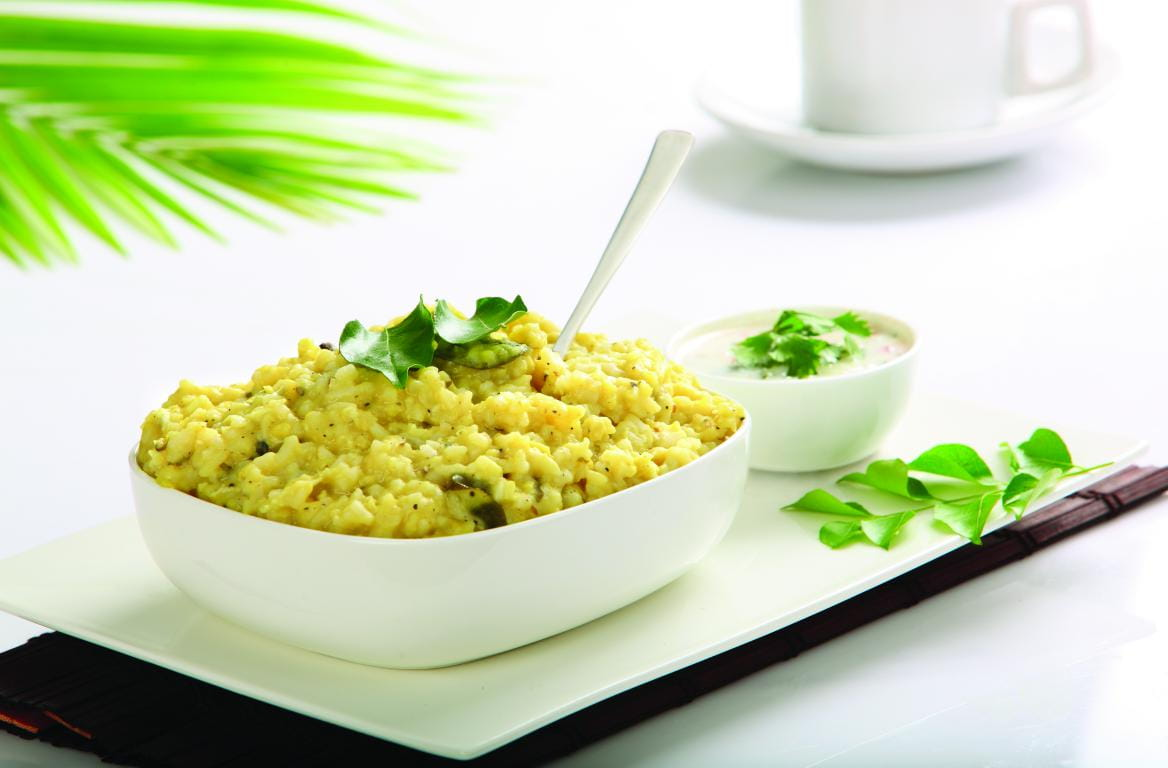
Khichdi is one of the most comforting and wholesome dishes in Indian cuisine, often described as the ultimate soul food. This humble preparation, made with rice and lentils cooked together, is soft, lightly spiced, and easy to digest, making it a favorite for both everyday meals and times of recovery. Often served with a drizzle of ghee, pickle, papad, or yogurt, khichdi holds a special place in Indian households as a dish that symbolizes warmth, health, and simplicity.
The origins of khichdi are ancient, with references found in early Sanskrit texts. Over centuries, it has been adapted into numerous regional variations across India. In Gujarat, khichdi is often paired with kadhi; in Bengal, a festive version called bhog khichuri is prepared with vegetables and ghee for Durga Puja; while in Rajasthan, bajra or jowar replaces rice for a more rustic flavor. Even Mughal kitchens embraced khichdi, with the dish evolving into more elaborate forms like khichra, rich with meat and spices. Today, khichdi is not just a household staple but has also been recognized as India’s “national dish” by many food historians, celebrated for its versatility and cultural importance.
Khichdi’s popularity lies in its simplicity and adaptability. It can be prepared plain, with just rice, lentils, and a bit of salt, or enriched with vegetables, spices, and ghee for a more flavorful version. It is often the first solid food given to babies due to its soft texture and high nutritional value. At the same time, it is cherished by adults as a healing meal during illness, offering comfort without being heavy on the stomach. In recent years, khichdi has gained global recognition as a wholesome “one-pot meal” that fits perfectly into modern health-conscious lifestyles.
What makes khichdi even more special is its emotional connection. For many, it evokes memories of home, childhood, and family traditions. Whether enjoyed on a rainy day with fried papads or as a quick weeknight dinner, khichdi continues to be a dish that transcends generations and regions, uniting people with its warmth and simplicity.
Khichdi Ingredients
Serves: 4 people
- Rice – 1 cup
- Yellow moong dal – ½ cup
- Ghee – 3 tbsp
- Cumin seeds – 1 tsp
- Asafoetida (hing) – a pinch
- Green chili – 1 (slit)
- Ginger – 1 tsp (grated)
- Turmeric powder – ½ tsp
- Salt – to taste
- Water – 4 cups
- Vegetables (optional: carrots, peas, beans, potatoes) – 1 cup (chopped)
- Fresh coriander – 2 tbsp (chopped, for garnish)
Steps
- Wash the rice and moong dal thoroughly and soak for 15 minutes. Drain and set aside.
- Heat ghee in a pressure cooker or deep pan. Add cumin seeds and let them crackle.
- Stir in asafoetida, green chili, and grated ginger, sautéing for a few seconds until aromatic.
- Add the chopped vegetables (if using) and sauté lightly.
- Add turmeric powder, followed by the soaked rice and dal. Mix well to coat everything in the ghee and spices.
- Pour in 4 cups of water, add salt, and stir thoroughly.
- Pressure cook for 3–4 whistles or simmer in a covered pot until the rice and dal are soft and mushy.
- Open the lid once the pressure releases, mash lightly if desired, and adjust the consistency by adding more hot water if needed.
- Garnish with fresh coriander and serve hot with ghee, pickle, papad, or curd.
Health Benefits
Khichdi is considered one of the healthiest Indian meals because it offers a complete balance of carbohydrates and protein from rice and lentils. Moong dal is light, easily digestible, and packed with essential amino acids, while rice provides quick energy. The addition of vegetables enhances the vitamin, mineral, and fiber content, making it a perfectly balanced one-pot dish. Ghee not only adds richness but also helps in nutrient absorption and improves digestion. This is why khichdi is often recommended for babies, the elderly, and people recovering from illness. It is gluten-free, nourishing, and suitable for all ages.
Kitchen Tip: For a richer flavor, replace half the water with vegetable stock or add a spoonful of ghee just before serving for that authentic homely taste.