
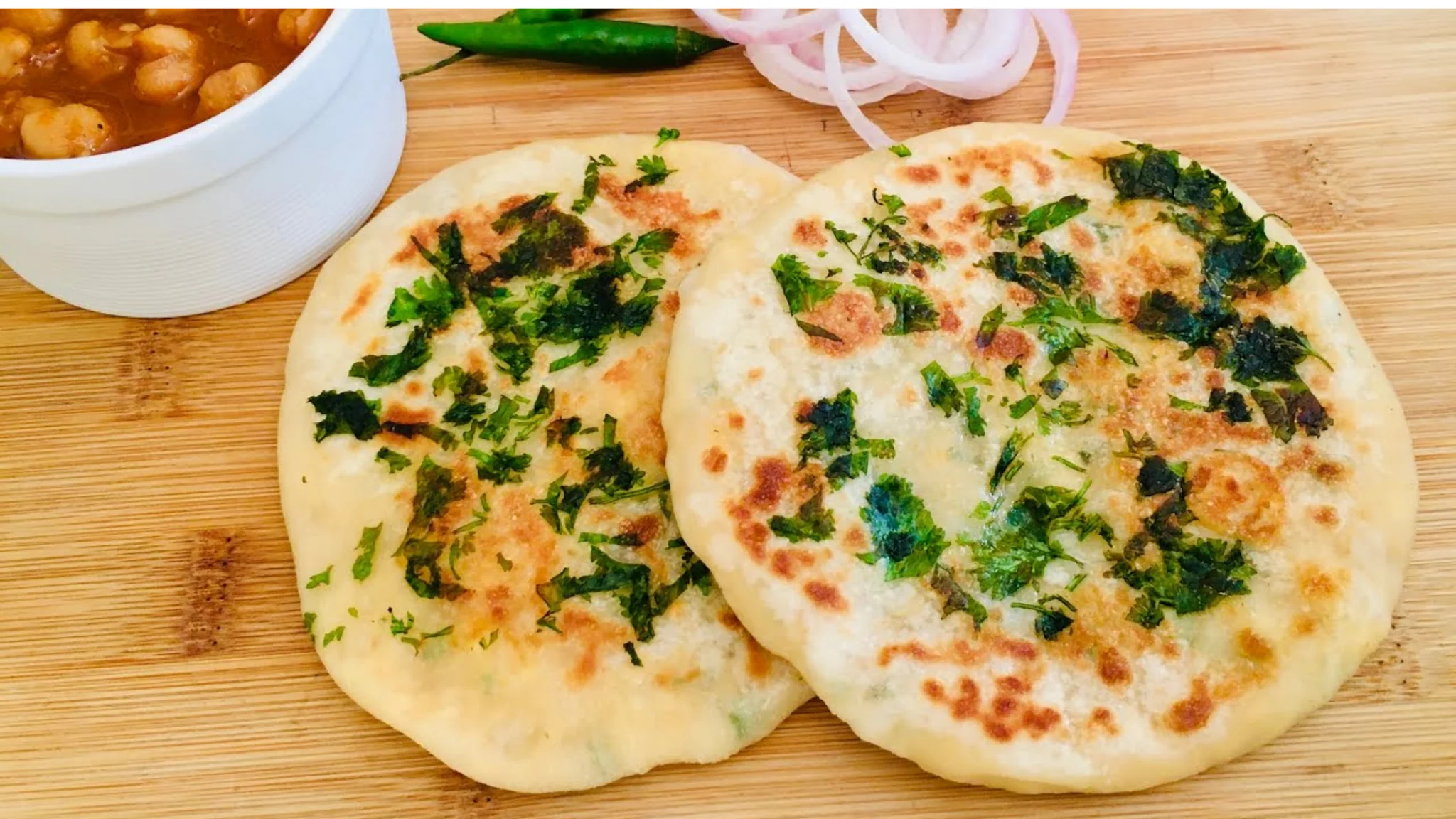
Kulcha is one of the most cherished breads in Indian cuisine, often enjoyed as a delightful accompaniment to a wide variety of curries, gravies, and tandoori dishes. Soft, fluffy, and slightly chewy, this bread has an irresistible texture that makes it stand out from other Indian flatbreads. Its popularity stems from its versatility—it can be eaten plain, buttered, stuffed, or even topped with herbs and spices, depending on the occasion. Unlike simple chapatis or rotis, this dish often made with refined flour, which gives them a softer bite and a richer flavor.
The origins of kulcha can be traced back to the royal kitchens of Mughal India, where bread-making reached an elevated level of artistry. Influenced by Persian and Central Asian baking traditions, kulchas were considered a dish of nobility, prepared in clay tandoors and served alongside rich meat or vegetable curries. Over time, this bread trickled down from palaces to everyday kitchens and became a staple in Northern Indian states, especially Punjab and Delhi. Today, it is a common feature in dhabas, restaurants, and households, where it pairs perfectly with favorites like chole, paneer butter masala, or dal makhani.
One of the unique aspects of kulcha is its adaptability. While the plain version remains evergreen, many popular stuffed variations have emerged, such as aloo kulcha (stuffed with spiced mashed potatoes), paneer kulcha (stuffed with crumbled paneer and spices), and even keema kulcha for non-vegetarians. In Punjab, Amritsari kulcha holds a special place—crispy on the outside yet soft inside, usually paired with tangy chole and pickled onions. Kulchas can be made on a tawa, baked in an oven, or traditionally cooked in a clay tandoor for that smoky aroma and authentic flavor.
Today, kulcha enjoys global recognition, much like naan, thanks to the spread of Indian restaurants abroad. Food enthusiasts worldwide relish this soft bread with gravies and even fusion-style toppings. Its ability to blend into different cuisines makes it not only a part of Indian dining but also an exciting bread option for creative cooks. Whether you are preparing a festive meal or a simple weekend lunch, kulchas add a restaurant-style touch to your dining table.
Ingredients
Serves: 4 people
- All-purpose flour (maida) – 2 cups
- Baking powder – ½ tsp
- Baking soda – ¼ tsp
- Sugar – 1 tsp
- Salt – 1 tsp
- Yogurt – ½ cup
- Milk – ¼ cup (lukewarm)
- Oil or ghee – 2 tbsp
- Nigella seeds (kalonji) or sesame seeds – 1 tbsp (for topping)
- Fresh coriander leaves – 2 tbsp (chopped, for garnish)
- Butter – 2 tbsp (for brushing after cooking)
Steps
- In a mixing bowl, combine flour, baking powder, baking soda, sugar, and salt. Mix well.
- Add yogurt, oil, and milk gradually while kneading to form a soft dough. If needed, add a little more milk to get the right texture.
- Cover the dough with a damp cloth and let it rest for at least 2 hours. This helps make the kulchas soft and fluffy.
- After resting, divide the dough into equal portions and roll them into small balls.
- Dust each ball with flour and roll it out into an oval or round shape, about 5–6 inches in diameter.
- Sprinkle nigella seeds or sesame seeds along with chopped coriander on the surface of the rolled kulcha. Press lightly with the rolling pin so the toppings stick.
- Heat a tawa or skillet on medium heat. Place the kulcha on the hot surface and cook until bubbles appear. Flip and cook the other side until golden spots develop.
- For an authentic touch, you can also stick the rolled kulcha onto a hot tandoor wall or bake in a preheated oven at 220°C for 8–10 minutes.
- Once cooked, brush each kulcha generously with butter for a rich flavor.
- Serve hot with chole, paneer curry, or any gravy of your choice.
Health Benefits
While kulcha is often considered a rich bread because of its refined flour base, it can still offer some nutritional value, especially when paired with healthy curries. Yogurt in the dough adds probiotics, aiding digestion, and milk contributes calcium. If you want a healthier twist, you can substitute half the maida with whole wheat flour, which increases fiber and makes it more filling. Topping with sesame seeds or kalonji adds extra antioxidants and minerals. Eating kulchas in moderation alongside protein-rich dals or vegetable curries ensures a satisfying yet balanced meal.
Kitchen Tip: For extra softness, always let the dough rest long enough, and if possible, use a cast-iron skillet or clay tandoor to recreate that authentic restaurant-style flavor.