
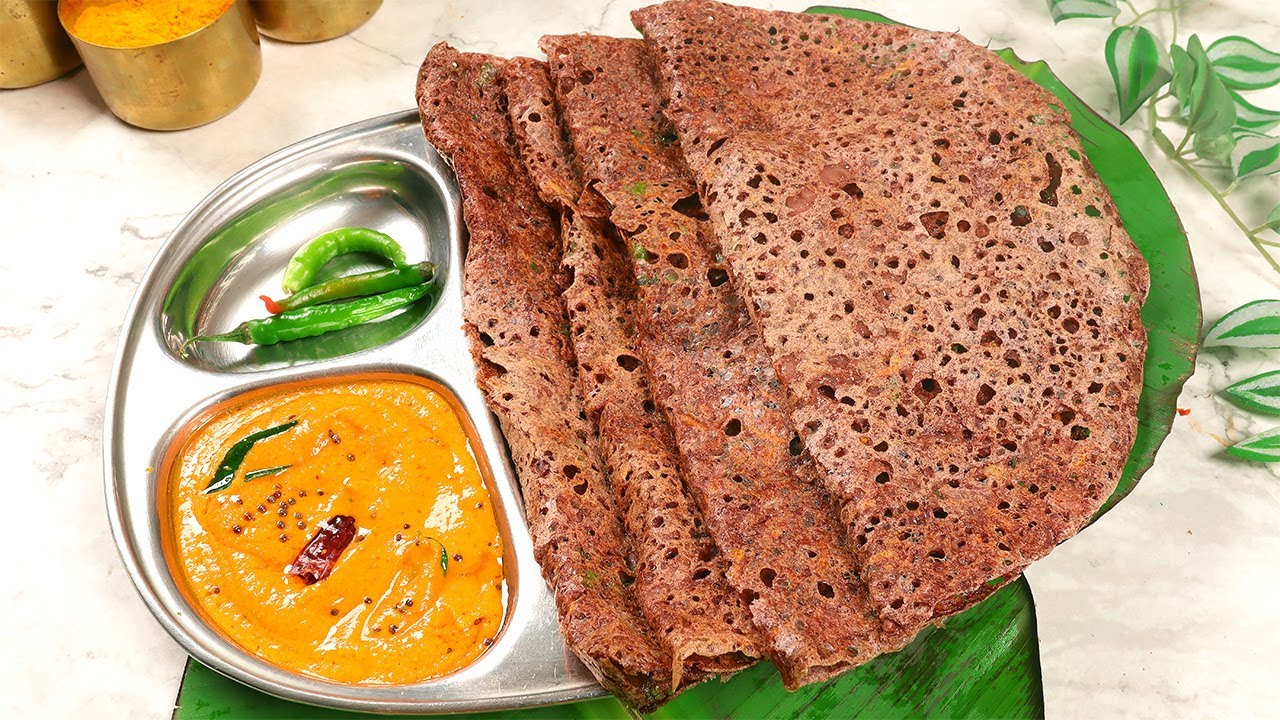
Ragi dosa is a delicious and health-packed South Indian dish made with ragi flour, also known as finger millet flour. Known for its earthy flavor and crisp texture, ragi dosa has earned a place in modern kitchens as a healthier alternative to the regular rice-based dosa. Its appeal lies in the fact that it is not only tasty but also highly nutritious, making it a preferred choice for those seeking both flavor and wellness in one dish.
The history of ragi cultivation dates back thousands of years, particularly in the regions of Africa and India. In India, ragi has been consumed for centuries, especially in Karnataka, Tamil Nadu, and Andhra Pradesh, where it has been valued as a staple grain due to its ability to thrive in dry climates. Traditionally, ragi was used to prepare porridges and flatbreads, but over time, innovative cooks incorporated it into dosa, giving rise to the ragi dosa we enjoy today. This dish represents a beautiful fusion of tradition and innovation, combining the ancient grain with the iconic South Indian dosa style.
Culturally, ragi dosa has grown in popularity across India and abroad as people become more conscious of the benefits of millets. Once regarded as a humble grain of the rural population, ragi is now celebrated as a superfood in wellness and fitness circles. Its high nutritional content and adaptability to modern recipes have transformed it into a trendy yet traditional ingredient. Today, ragi dosa is enjoyed not only in South Indian households but also in restaurants and urban kitchens worldwide, proving that this age-old grain has a timeless appeal.
The charm of ragi dosa lies in its versatility. It can be prepared instantly using a simple batter of ragi flour, rice flour, and curd, or through a more traditional fermentation method for added flavor and softness. Some prefer to enrich the batter with spices, onions, or grated vegetables, making it a wholesome meal in itself. Ragi dosa pairs beautifully with classic accompaniments like coconut chutney, tomato chutney, and sambar, enhancing its flavors and making it a complete dish.
Ragi Dosa Ingredients
Serves: 3–4 people
- Ragi flour – 1 cup
- Rice flour – ½ cup
- Semolina (rava/sooji) – ¼ cup
- Yogurt (curd) – ½ cup
- Water – 1½ cups (adjust as needed for batter consistency)
- Onion – 1 (finely chopped, optional)
- Green chilies – 2 (finely chopped)
- Ginger – 1 tsp (grated)
- Cumin seeds – 1 tsp
- Salt – 1 tsp
- Fresh coriander leaves – 2 tbsp (chopped)
- Oil or ghee – 2 tbsp (for cooking)
Steps
- In a mixing bowl, combine ragi flour, rice flour, semolina, yogurt, and salt.
- Add water gradually to form a smooth batter of pouring consistency. Let it rest for 15–20 minutes.
- Stir in chopped onions, green chilies, ginger, cumin seeds, and coriander leaves. Mix well.
- Heat a non-stick pan or dosa tawa and lightly grease it with oil or ghee.
- Pour a ladleful of batter onto the hot pan and spread it thinly in a circular motion.
- Drizzle a few drops of oil around the edges and cook on medium heat until the edges turn crisp.
- Flip carefully and cook the other side for 1–2 minutes until golden brown.
- Remove from the pan and serve hot with coconut chutney and sambar.
- Repeat the process with the remaining batter.
Health Benefits
Ragi dosa is a powerhouse of nutrition. Ragi is exceptionally rich in calcium, making it excellent for bone health, especially for children and the elderly. It is also high in dietary fiber, which supports digestion, prevents constipation, and keeps you feeling full for longer—making it ideal for weight management. The presence of iron in ragi helps combat anemia, while its low glycemic index makes it suitable for diabetics as it helps regulate blood sugar levels. Packed with amino acids and antioxidants, ragi contributes to overall strength and immunity. Adding yogurt and vegetables to the batter further enhances its nutritional value, making ragi dosa a perfect combination of taste and health.
Kitchen Tip: For extra crispiness, cook the dosa on medium-high heat and avoid making the batter too thick—this helps achieve a delicate and crunchy texture.