
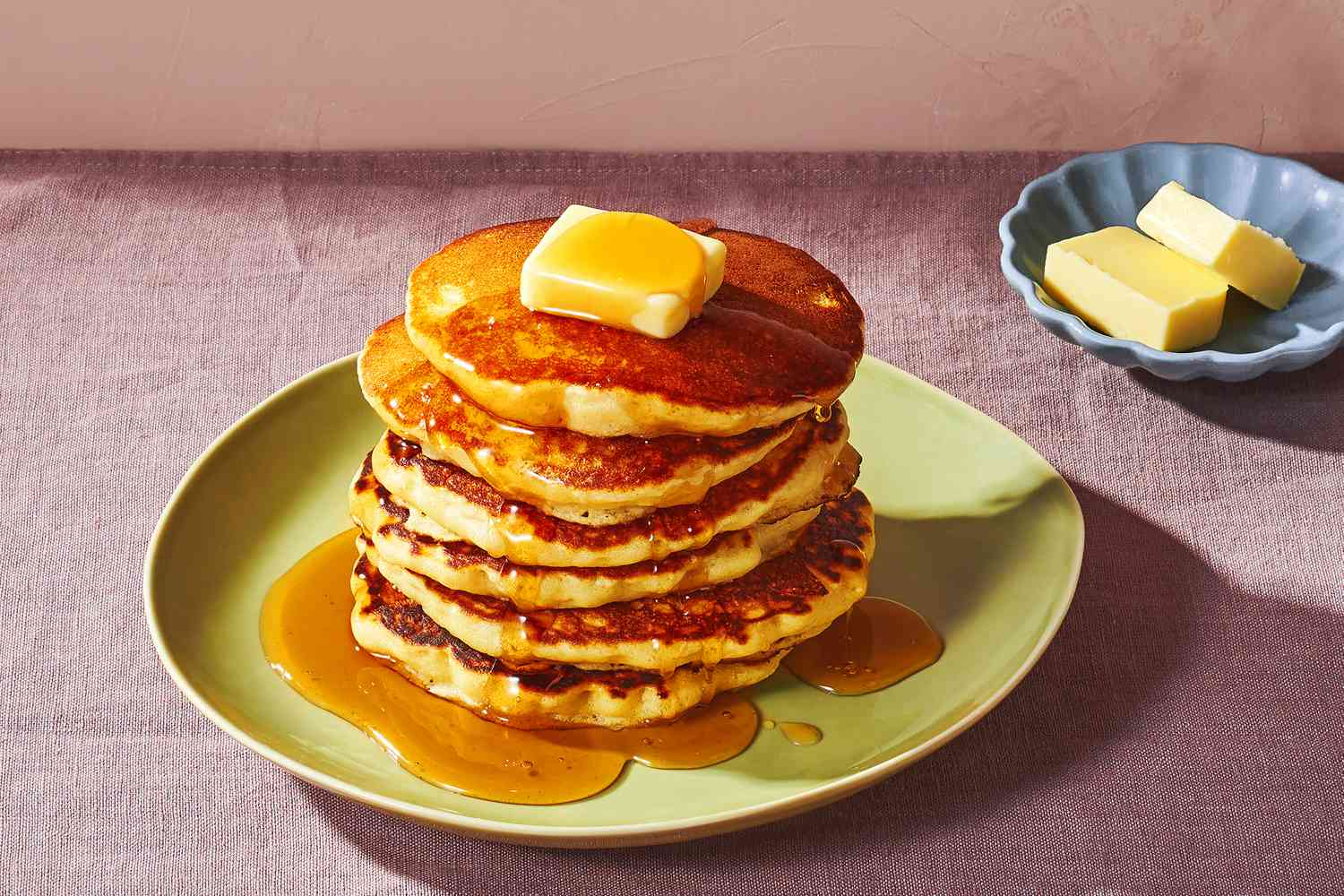
Pancakes are one of those timeless dishes that bring joy to breakfast tables across the globe. With a history dating back thousands of years, they are among the oldest prepared foods known to humanity. Archaeological evidence suggests that even prehistoric humans enjoyed versions of pancakes made from ground grains mixed with water and cooked on hot stones. Ancient Greeks ate them with honey and sesame seeds, while Romans enjoyed their versions with milk and spices.
Over the centuries, This Dish evolved into many cultural variations such as French crêpes, Russian blinis, Ethiopian injera, and Indian cheelas. Despite the differences, the essence remained the same: a warm, round, flat cake made to comfort and nourish. In medieval Europe, this dish took on a special cultural meaning. They became closely associated with Shrove Tuesday, also known as Pancake Day, where families would use up ingredients like butter, milk, and eggs before the fasting period of Lent.
This tradition carried forward into modern times, making This Dish not just food but a symbol of celebration and indulgence. When European settlers introduced pancakes to America, they became thicker and fluffier thanks to the use of baking soda and later baking powder, giving us the iconic American-style pancakes we know today. Over time, they became an everyday breakfast favorite and an essential part of weekend brunches.
The popularity of This Dish lies in their simplicity and versatility. They can be sweet or savory, plain or topped with fruit, honey, syrup, chocolate, or even whipped cream. In different countries, people have adapted pancakes to their taste and culture. Japanese soufflé pancakes are tall and jiggly, offering a unique cloud-like texture, while in the Netherlands, pannenkoeken are thin and often eaten with both sweet and savory toppings. Regardless of where they are made, pancakes carry the same essence of comfort and joy, making them a dish cherished by children and adults alike.
Today, pancakes are not just a dish but an experience. From cozy homemade breakfasts to luxurious café brunches, pancakes symbolize comfort, happiness, and a sense of togetherness. They are perfect for family mornings, festive gatherings, or even solo indulgences. Their ability to adapt to countless variations ensures that there is a type of pancake for everyone, whether one prefers the simplicity of a drizzle of maple syrup or the extravagance of layers topped with fruits, cream, and nuts.
Ingredients
- All-purpose flour – 1 ½ cups
- Granulated sugar – 2 tbsp
- Baking powder – 2 tsp
- Baking soda – ½ tsp
- Salt – ¼ tsp
- Milk – 1 ¼ cups
- Large egg – 1
- Unsalted butter (melted) – 3 tbsp
- Vanilla extract – 1 tsp
- Additional butter or oil – for cooking
- Maple syrup, honey, fruits, or whipped cream – for topping
Steps
- In a large mixing bowl, whisk together flour, sugar, baking powder, baking soda, and salt until well combined.
- In another bowl, whisk the milk, egg, melted butter, and vanilla extract until smooth.
- Slowly pour the wet ingredients into the dry ingredients, mixing gently with a spatula. Be careful not to overmix; a few lumps are perfectly fine.
- Heat a non-stick skillet or griddle over medium heat and lightly grease it with butter or oil.
- Pour about ¼ cup of batter onto the skillet for each pancake. Cook until bubbles form on the surface and the edges look set, about 2–3 minutes.
- Flip carefully and cook the other side until golden brown, about 1–2 minutes more.
- Transfer cooked pancakes to a plate and keep warm while repeating with the remaining batter.
- Serve warm with maple syrup, honey, fresh fruits, or a dollop of whipped cream.
Health Benefits
While These Recipes are often seen as a comfort indulgence, they can be made healthier with a few mindful choices. Using whole wheat flour instead of all-purpose flour adds fiber and nutrients, making this dish more filling. Adding fresh fruits like bananas, blueberries, or strawberries not only enhances flavor but also provides antioxidants and vitamins. Pairing pancakes with yogurt or nuts can increase protein and healthy fats, balancing the meal. Even traditional pancakes, when eaten in moderation, provide energy through carbohydrates, which is especially helpful for an active day ahead.
Kitchen Tip: For extra fluffy pancakes, let the batter rest for 5–10 minutes before cooking—this allows the baking powder to activate and creates lighter, softer pancakes.