
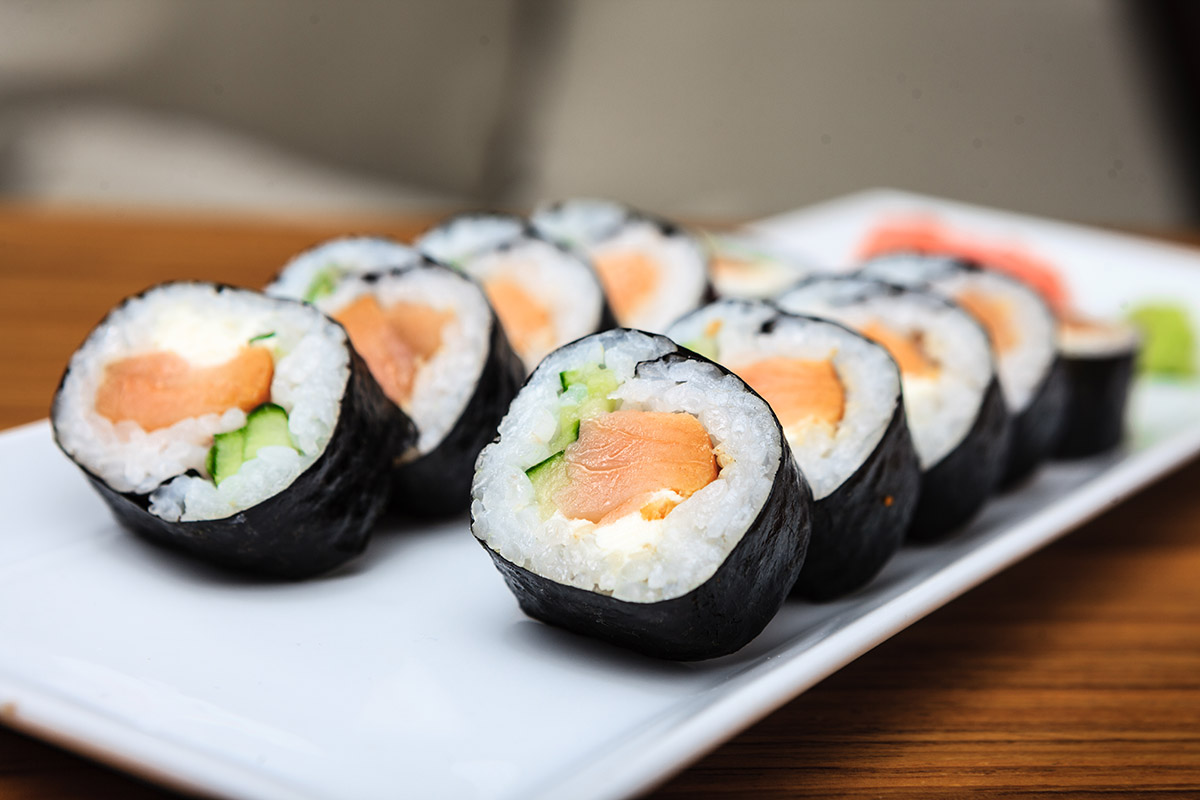
Sushi is one of the most iconic dishes of Japan, loved across the globe for its delicate balance of flavors, artistry, and cultural significance. The roots of sushi can be traced back over a thousand years, originating not as the fresh fish and rice delicacy we know today, but as a preservation technique. In its earliest form, known as narezushi, fish was fermented with rice and salt for months, allowing it to be preserved for long periods.
Eventually, people began consuming both the rice and fish together, giving birth to the evolution of this dish. By the Edo period in the 18th century, nigirizushi—the style of hand-pressed sushi with vinegared rice and fresh fish—emerged in Tokyo and quickly gained immense popularity among the working class as a quick and delicious meal. Sushi’s rise in popularity was tied to the growth of Japanese coastal cities, where fresh fish was readily available.
As transportation improved, sushi spread throughout Japan, with regional variations emerging—such as oshizushi (pressed sushi) in Osaka and chirashizushi (scattered sushi) served during festivals. Over time, sushi transformed from a humble street food into an elevated culinary art form. Chefs spent years perfecting their craft, learning the art of knife skills, rice preparation, and flavor balance, making this dish not just a dish but a refined dining experience deeply rooted in Japanese tradition.
In the 20th century, this recipe crossed borders and entered international cuisine. The first sushi restaurants outside Japan appeared in the United States in the mid-1900s, particularly in Los Angeles, where Japanese immigrants introduced the cuisine to new audiences.
The invention of the California roll, using avocado and crab in place of raw fish, helped sushi gain mainstream popularity in the West. From there, sushi spread to Europe, Australia, and beyond, becoming one of the most sought-after global dishes. Today, it exists in both traditional forms, showcasing authentic Japanese techniques, and in modern creative versions that adapt to local tastes.
What makes sushi so beloved worldwide is its combination of simplicity and sophistication. At its heart, it is vinegared rice paired with seafood, vegetables, or egg, but the meticulous attention to detail, freshness of ingredients, and artistic presentation elevate it to a fine dining experience. This Dish can enjoyed in countless ways—from conveyor belt sushi bars in Japan to Michelin-starred sushi counters across the globe. Whether eaten as a light snack or part of an elaborate feast, this dish continues to symbolize not only Japan’s culinary heritage but also the fusion of tradition and modernity on the world stage.
Ingredients
For Sushi Rice
- Japanese short-grain rice – 2 cups (400 g)
- Water – 2 ½ cups
- Rice vinegar – ¼ cup
- Sugar – 2 tbsp
- Salt – 1 tsp
For Sushi Fillings (choose as per preference)
- Fresh salmon (sashimi-grade) – 150 g, sliced thin
- Fresh tuna (sashimi-grade) – 150 g, sliced thin
- Cucumber – 1 medium, cut into thin strips
- Avocado – 1 medium, sliced
- Crab sticks – 4 pieces
- Cooked shrimp – 6 pieces
Other Essentials
- Nori sheets (seaweed) – 5 to 6
- Soy sauce – for dipping
- Wasabi – as desired
- Pickled ginger – for serving
- Bamboo sushi rolling mat – 1
Steps
- Rinse the rice thoroughly under cold water until the water runs clear. Soak it for 30 minutes, then drain.
- Cook rice with 2 ½ cups water in a rice cooker or saucepan until soft and fluffy.
- While rice is cooking, heat rice vinegar, sugar, and salt in a small pan until dissolved. Do not boil.
- Transfer hot rice into a wide bowl and gently fold in the vinegar mixture. Fan the rice as you mix to cool it quickly and make it glossy. Set aside covered with a damp cloth.
- Place a sheet of nori on a bamboo mat with the shiny side down. Spread a thin layer of sushi rice evenly, leaving 1 inch at the top edge.
- Arrange chosen fillings (fish, cucumber, avocado, or crab) in a line across the rice.
- Using the bamboo mat, carefully roll the sushi away from you, pressing gently but firmly to shape it into a tight roll. Seal the edge with a bit of water.
- Slice the roll into 6–8 even pieces using a sharp knife dipped in water.
- For nigiri, shape small oval portions of rice with your hand, then place thin slices of salmon, tuna, or shrimp on top, gently pressing to secure.
- Serve the sushi rolls and nigiri with soy sauce, wasabi, and pickled ginger.
Health Benefits
This dish can be a nutritious and well-balanced dish when prepared with fresh, high-quality ingredients. The rice provides carbohydrates for energy, while fish such as salmon and tuna are excellent sources of lean protein and heart-healthy omega-3 fatty acids. Vegetables like cucumber and avocado add vitamins, fiber, and healthy fats, while nori contributes minerals like iodine and iron. This dish is also low in saturated fat, making it a lighter meal compared to many other fast foods. However, moderation is key, as soy sauce is high in sodium and excessive raw fish consumption should be balanced with other protein sources.
Kitchen Tip: Always use sushi-grade fish for safety and freshness, and keep your knife wet when slicing rolls to achieve clean, neat cuts.