
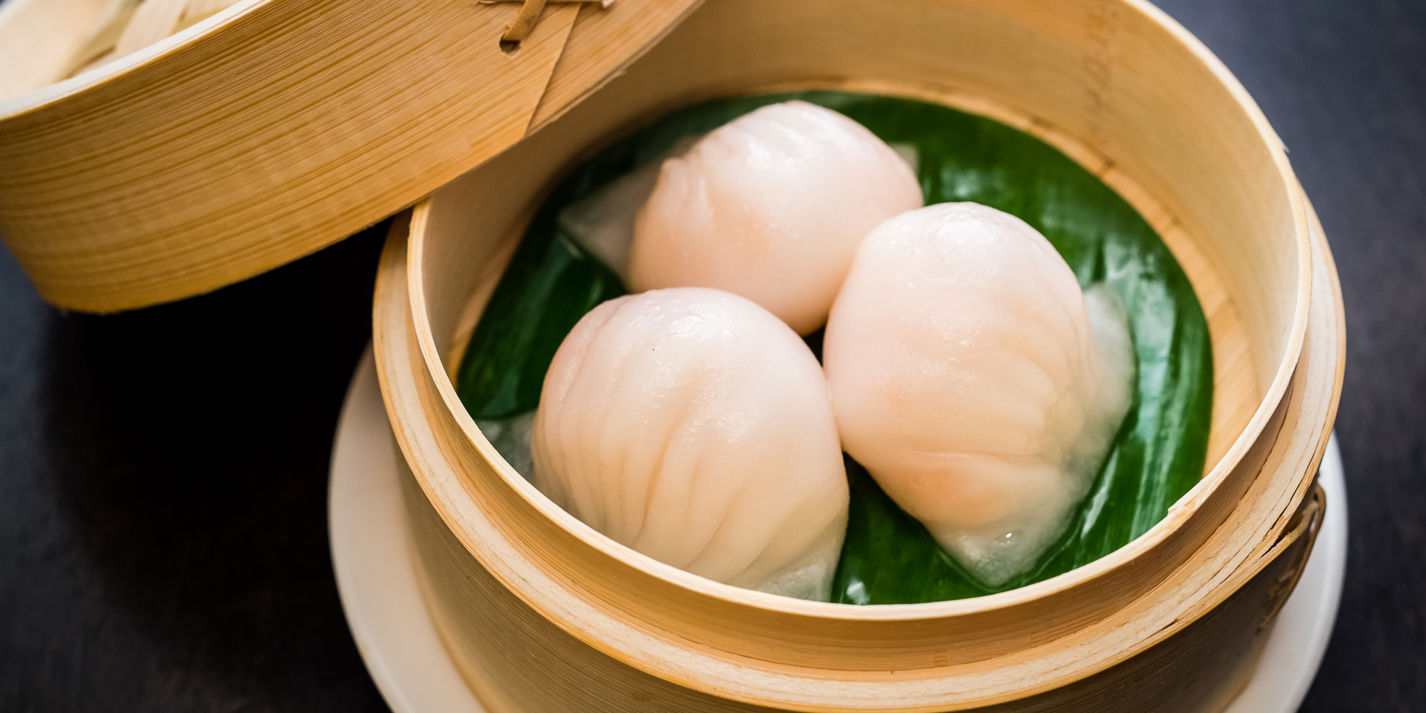
Dim sum is not just a dish—it’s an experience rooted in Chinese culinary heritage. Originating from the Cantonese region, dim sum refers to a variety of small, flavorful dishes traditionally served with tea. The name itself means “touch the heart,” symbolizing the light, bite-sized nature of these treats that were never meant to fill you up but to delight your senses. Over time, dim sum has evolved into a global dining trend, celebrated for its diversity and artistry.
The history of dim sum dates back over a thousand years along the ancient Silk Road, where teahouses served travelers tea accompanied by small snacks. This practice became popular in southern China and eventually grew into the elaborate dim sum culture we know today. Served in bamboo steamers or small plates, dim sum can include dumplings, buns, rolls, and more. Each piece showcases intricate craftsmanship, making it as visually appealing as it is delicious.
Dim sum’s popularity has expanded far beyond China, becoming a staple in Chinese restaurants worldwide. Weekend dim sum brunches are a beloved tradition where families and friends gather to enjoy a wide assortment of flavors—from savory shrimp dumplings (har gow) and pork buns to sweet egg tarts. Today, dim sum is as much about the social experience as it is about food, symbolizing community and togetherness.
Dim sum is a Cantonese dining experience of various small dishes, often including dumplings, served with tea, while dumplings are a single type of dish consisting of dough filled with meat or vegetables that can be steamed, boiled, or fried. In essence, dim sum is a meal format and culinary tradition, whereas a dumpling is a specific food item within that tradition and many others worldwide.
One of the most iconic dim sum items is the steamed dumpling, known for its delicate wrapper and savory filling. This recipe focuses on making classic pork and shrimp dumplings, a favorite for their tender texture and rich taste. While preparing dim sum at home requires patience and attention to detail, the result is incredibly rewarding and brings a piece of Cantonese culture to your table.
Dim Sum Ingredients
Serves: 4 people
- Dumpling wrappers – 30 pieces
- Ground pork – 200 g
- Shrimp – 100 g (chopped finely)
- Green onions – 2 tbsp (chopped)
- Ginger – 1 tsp (grated)
- Soy sauce – 2 tbsp
- Oyster sauce – 1 tbsp
- Sesame oil – 1 tsp
- Cornstarch – 1 tbsp
- Salt – ½ tsp
- White pepper – ¼ tsp
- Water – as needed for sealing
- Oil – for greasing steamer
Steps
- In a large bowl, mix ground pork, chopped shrimp, green onions, ginger, soy sauce, oyster sauce, sesame oil, cornstarch, salt, and white pepper until well combined.
- Place one dumpling wrapper on your palm, add 1 teaspoon of filling in the center, and lightly wet the edges with water.
- Fold the wrapper over the filling and pinch the edges to seal, creating pleats for a traditional look. Repeat until all filling is used.
- Lightly grease a bamboo or metal steamer and arrange the dumplings without overlapping.
- Steam over boiling water for 8–10 minutes, or until dumplings are fully cooked and translucent.
- Serve hot with soy sauce, chili oil, or a vinegar dipping sauce.
Health Benefits
Dim sum can be a balanced option when prepared with lean proteins like pork and shrimp, combined with aromatic herbs and seasonings. Steaming is a healthy cooking method that preserves nutrients without adding extra fats. For a lighter version, you can use chicken or tofu instead of pork and increase the vegetable content for added fiber and vitamins.
Kitchen Tip: To prevent dumplings from sticking to the steamer, line the base with parchment paper or cabbage leaves before placing them inside.