
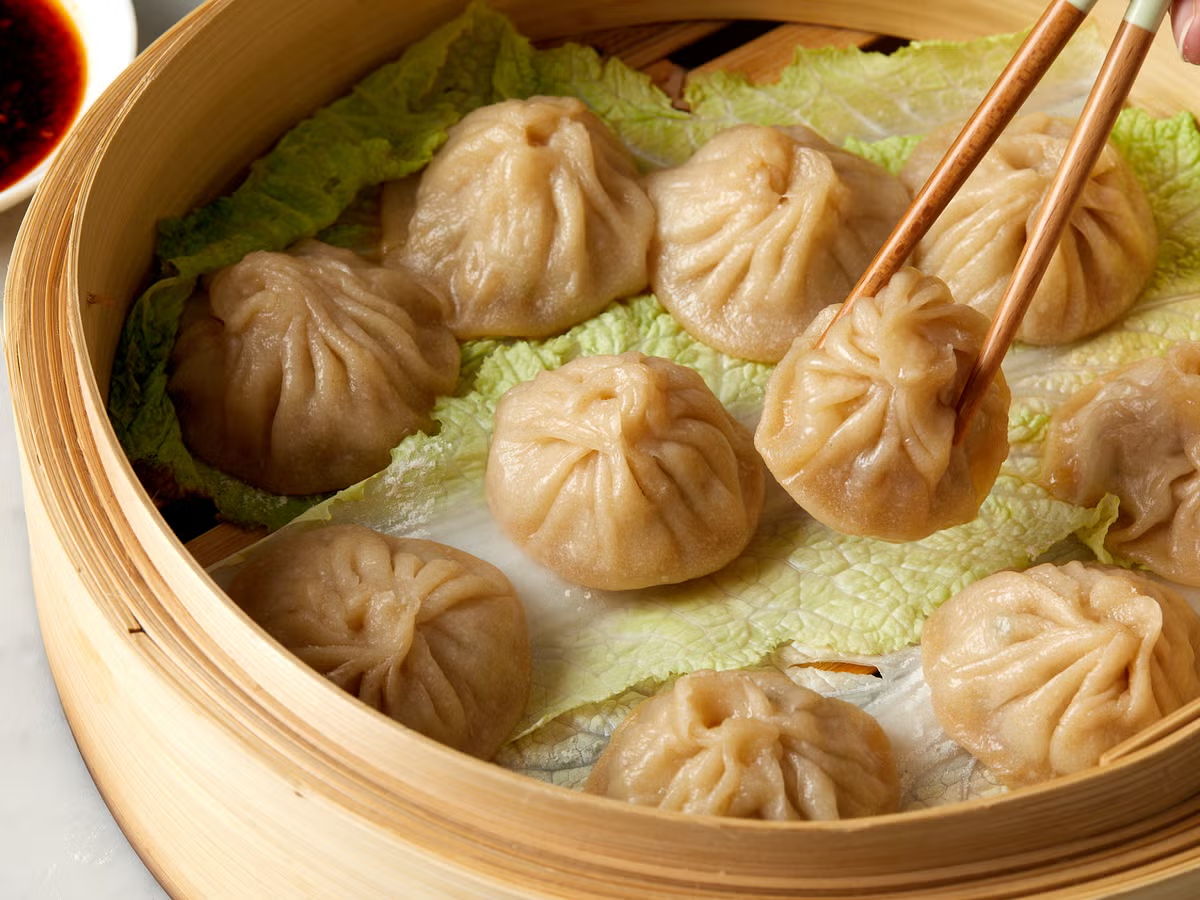
Dumplings are a beloved dish that transcends cultures, appearing in countless forms across the world. These delightful pockets of dough, often filled with savory or sweet ingredients, have been a staple for centuries. From the Chinese jiaozi to Japanese gyoza, Korean mandu, and European pierogi, dumplings are a universal comfort food. They’re known for their versatility—boiled, steamed, or pan-fried—and their ability to bring families together, especially during festive occasions.
The origins of dumplings are believed to date back over 1,800 years to China, where they were first prepared during the Eastern Han Dynasty. They were created not only for nourishment but also as a symbol of wealth and prosperity, especially during Lunar New Year celebrations. Over time, the concept of dumplings spread globally, with each region giving it its unique twist. In Eastern Europe, dumplings became hearty potato-based parcels, while in Asia, delicate wrappers encased flavorful fillings of meat, vegetables, and spices.
Today, dumplings enjoy immense popularity worldwide. They’re served in fine dining restaurants, street food stalls, and home kitchens alike. Their charm lies in their adaptability—you can make them vegetarian, meat-filled, or even sweet with fruit fillings. They’re perfect as appetizers, mains, or even snacks, and can be customized to suit any palate. Whether dipped in soy sauce, paired with spicy chili oil, or served in warm broth, dumplings never fail to satisfy.
Read : Crispy and Flavorful Homemade Spring Rolls Recipe
What truly makes dumplings special is the communal experience of making them. Families and friends often gather to prepare large batches, sharing stories and laughter as they fold each dumpling with care. This tradition continues to be cherished in many cultures, turning dumpling-making into both a culinary art and a bonding activity.
Ingredients
Serves: 4 people
- Dumpling wrappers – 30 pieces
- Ground chicken or pork – 250 g (or tofu for vegetarian option)
- Cabbage – 1 cup (finely chopped)
- Green onions – 2 (finely chopped)
- Garlic – 2 cloves (minced)
- Ginger – 1 tsp (grated)
- Soy sauce – 2 tbsp
- Sesame oil – 1 tbsp
- Salt – ½ tsp
- Black pepper – ¼ tsp
- Water – as needed (for sealing and steaming)
Steps
- In a large bowl, combine ground meat (or tofu), chopped cabbage, green onions, garlic, ginger, soy sauce, sesame oil, salt, and black pepper. Mix well until all ingredients are incorporated.
- Take one dumpling wrapper, place about 1 teaspoon of filling in the center, and lightly wet the edges with water.
- Fold the wrapper in half over the filling and pinch the edges to seal. For a traditional look, pleat the edges as you seal them. Repeat with remaining wrappers and filling.
- To cook, choose your method:
- Boil: Bring water to a boil, add dumplings, and cook until they float (about 4–5 minutes).
- Steam: Place dumplings in a steamer basket and steam for 8–10 minutes.
- Pan-fry: Heat 2 tbsp oil in a pan, arrange dumplings, fry until bottoms are golden, then add ¼ cup water, cover, and steam until cooked.
- Serve hot with dipping sauce made from soy sauce, vinegar, and chili oil for an extra kick.
Health Benefits
Dumplings can be a balanced meal when prepared thoughtfully. The combination of protein from meat or tofu, vitamins from vegetables, and energy from the wrappers makes them a wholesome dish. Steaming is the healthiest cooking method, as it reduces oil usage while preserving nutrients. For added health benefits, use whole-wheat wrappers and lean protein options, and load the filling with fiber-rich vegetables.
Kitchen Tip: To save time on busy days, prepare and freeze uncooked dumplings in a single layer on a tray. Once frozen, store them in a bag—they’ll be ready to cook anytime without losing freshness.