
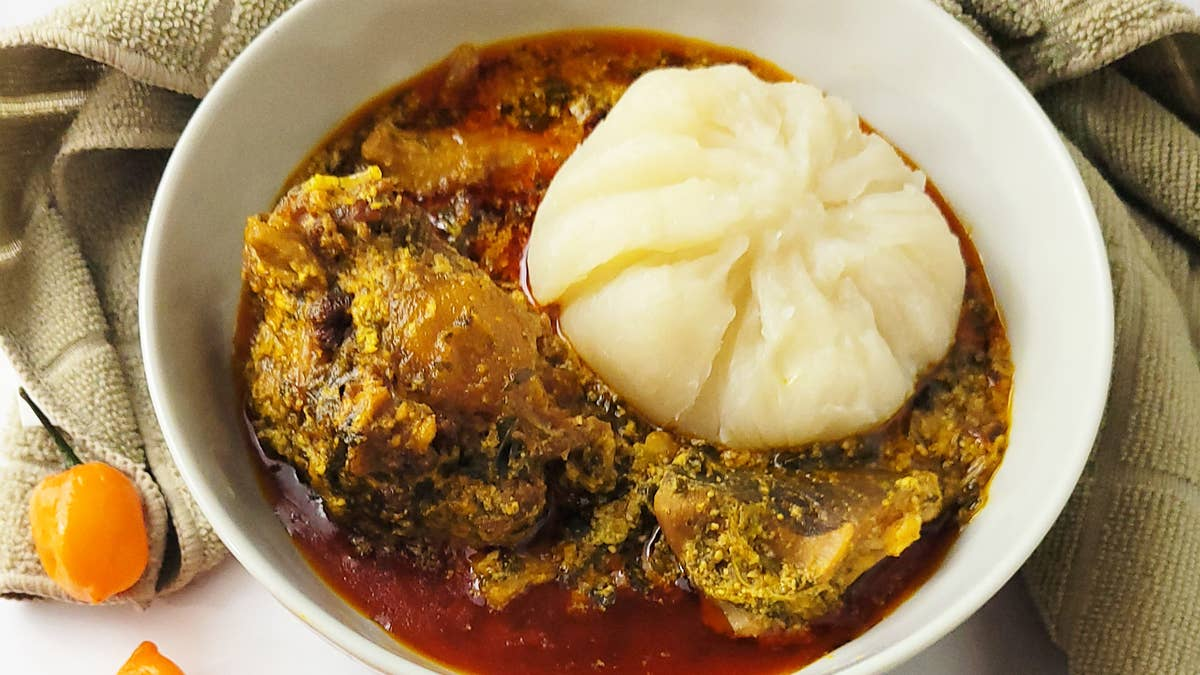
Fufu is a beloved staple food across many parts of West and Central Africa, renowned for its smooth, stretchy texture and ability to complement a variety of flavorful soups and stews. It is traditionally made by boiling starchy vegetables like cassava, yam, or plantains, and then pounding them into a soft, dough-like consistency. Fufu is more than just a meal—it is an experience rooted in community, often eaten with the hands and enjoyed during family gatherings and festive occasions.
The history of fufu can be traced back to Ghana and neighboring regions, where it has been a dietary cornerstone for centuries. The term “fufu” comes from the Twi language, meaning “to mash” or “to mix,” which perfectly describes the traditional preparation method. Historically, families would pound cooked tubers in large wooden mortars using long pestles—a communal task that brought people together. Over time, variations of fufu spread across Africa, each region adapting the recipe to its local ingredients and preferences.
Today, fufu is enjoyed in countries like Nigeria, Ghana, Cameroon, and Ivory Coast, often paired with rich soups like egusi, okra, groundnut, or light tomato-based stews. Its mild taste and smooth texture make it the perfect vehicle for soaking up the bold, spicy flavors of African cuisine. Beyond Africa, fufu has gained recognition in the global food scene, appearing in African restaurants worldwide and drawing curious food lovers who want to experience authentic cultural dishes.
Read : Golden Crispy Sweet Delight Jalebi Recipe
The appeal of fufu lies in its simplicity and versatility. While traditional methods involve extensive pounding, modern kitchens often use food processors or stand mixers to achieve the same texture with less effort. Pre-packaged fufu flour, made from dried cassava or yam, has also made it easier to prepare this dish without compromising its authentic taste. Whether you choose the classic method or a quicker approach, making fufu at home allows you to experience a piece of African heritage in your own kitchen.
Ingredients
Serves: 4 people
- Cassava – 500 g (peeled and chopped)
- Plantains – 2 medium (peeled and chopped)
- Water – 4 cups (for boiling)
- Salt – a pinch (optional)
(Alternatively, you can use 2 cups of fufu flour and 4 cups of water for a quick version.)
Steps
- Peel and chop the cassava and plantains into medium-sized chunks.
- Place them in a large pot, add 4 cups of water, and bring to a boil. Cook until both cassava and plantains are soft and easily pierced with a fork (about 20–25 minutes).
- Drain the water and transfer the cooked pieces into a large mortar. Pound them using a pestle until smooth and stretchy. If using modern equipment, blend the mixture in a food processor until it reaches a smooth, dough-like consistency.
- If the mixture feels too stiff, add a little warm water and continue pounding or blending until soft and elastic.
- Shape the fufu into round balls or a single mound and place on a serving plate.
- Serve immediately with your favorite soup or stew such as egusi, groundnut, or vegetable soup.
Health Benefits
Fufu is an excellent source of carbohydrates, providing energy for the body, which makes it ideal for active lifestyles. Cassava and plantains also contain dietary fiber that aids digestion and helps maintain a healthy gut. Additionally, plantains add essential vitamins like vitamin A and C, while cassava is naturally gluten-free, making this dish suitable for people with gluten sensitivities. When paired with nutrient-rich soups, fufu becomes a balanced and wholesome meal.
Kitchen Tip: To keep fufu soft and prevent it from drying out, cover it with plastic wrap or keep it in an airtight container until serving.