
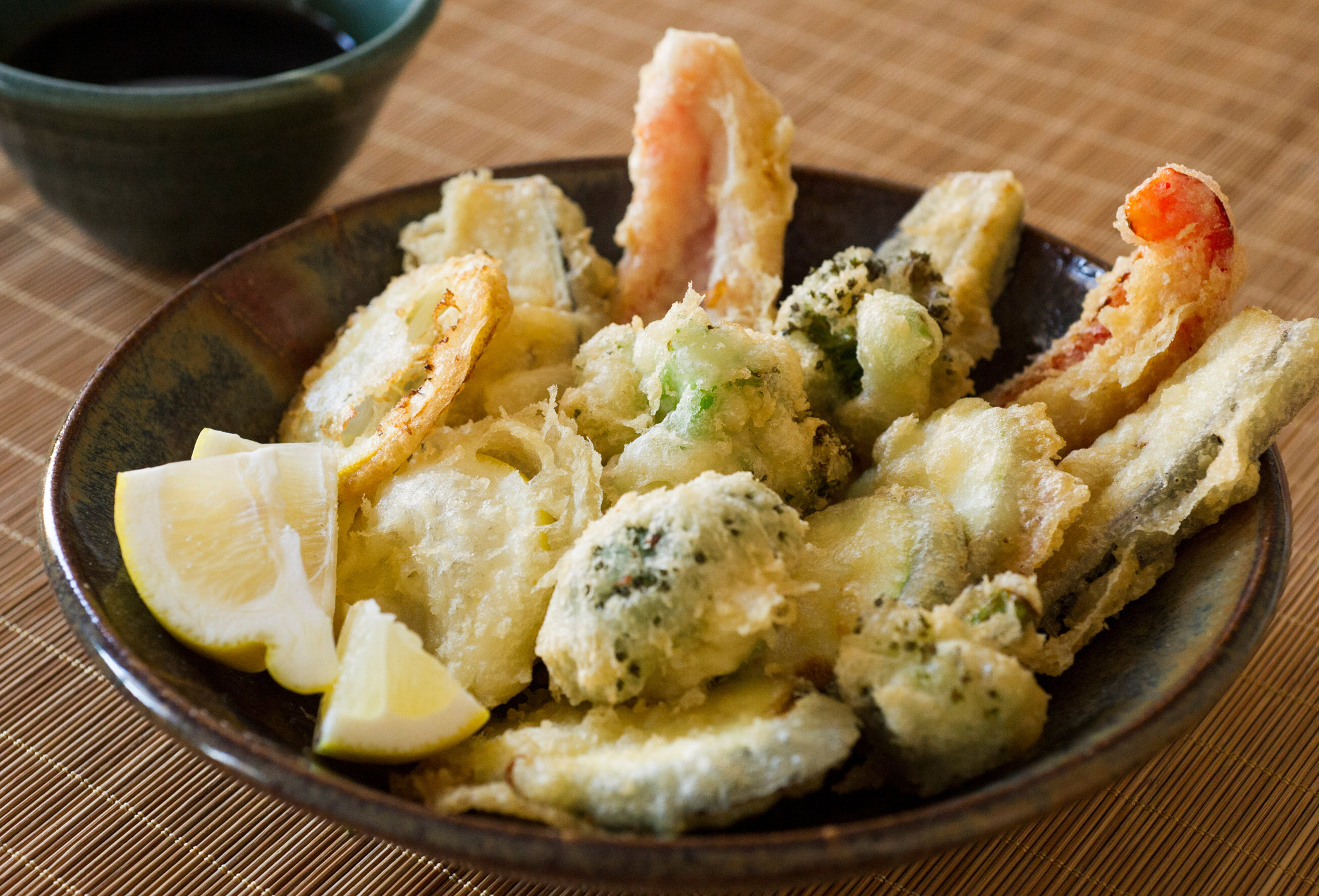
Vegetable Tempura is one of the most iconic and beloved dishes in Japanese cuisine, celebrated for its light, crispy texture and delicate flavor. Unlike heavy deep-fried foods, tempura is unique because of its thin, airy batter that coats vegetables and turns golden when fried. This dish beautifully showcases how even simple vegetables can become a gourmet treat when prepared with the right technique. Traditionally served with dipping sauce, vegetable tempura strikes a balance between crunchiness and freshness, making it a favorite in both casual and fine dining settings.
The history of tempura dates back to the 16th century, when Portuguese missionaries introduced the concept of frying food in batter to Japan. Over time, the Japanese refined this method, creating a lighter and crisper version that is now known worldwide as tempura. While seafood tempura is also popular, vegetable tempura is especially loved for its versatility. From sweet potatoes to bell peppers, zucchini, and eggplant, almost any vegetable can be transformed into a delicious tempura snack or side dish.
Vegetable Tempura is often enjoyed as an appetizer, part of a bento box, or even as a topping for rice and noodle dishes such as tempura udon or tempura donburi. The lightness of the batter ensures that the natural flavor of each vegetable remains the highlight of the dish. Unlike many fried foods, tempura is never greasy if prepared correctly, which makes it appealing to people who prefer clean, delicate flavors.
Another reason tempura is so special is the artistry behind it. The batter must be mixed lightly, leaving small lumps, and used immediately while cold to ensure crispiness. The oil must be at the perfect temperature to create that signature crunch without absorbing excess oil. Eating freshly fried tempura, dipped in a savory soy-based sauce, is an experience that combines texture, taste, and aroma in one bite.
Vegetable Tempura Ingredients
Serves: 4 people
- Assorted vegetables – 400 g (sweet potato, zucchini, eggplant, bell pepper, green beans, carrots, mushrooms)
- All-purpose flour – 1 cup
- Cornstarch – ½ cup
- Ice-cold water – 1 cup
- Egg – 1 (optional, for extra crisp batter)
- Baking soda – ½ tsp
- Salt – ½ tsp
- Vegetable oil – for deep frying
For dipping sauce (Tentsuyu):
- Soy sauce – ½ cup
- Mirin – ½ cup
- Dashi stock – 1 cup
- Grated daikon radish – 2 tbsp (optional, for serving)
Steps
- Wash and slice vegetables into thin, bite-sized pieces. Pat them dry to avoid excess moisture.
- In a bowl, combine flour, cornstarch, baking soda, and salt.
- Add ice-cold water and egg (if using) into the dry mix. Stir very lightly—do not overmix; the batter should remain lumpy and slightly runny.
- Heat oil in a deep pan to 170–180°C (340–360°F). Test by dropping a little batter in; it should sizzle immediately and float to the top.
- Dip vegetable slices into the batter one at a time, shaking off excess.
- Gently place coated vegetables into the hot oil without overcrowding the pan.
- Fry until golden and crisp, about 2–3 minutes, depending on the vegetable.
- Remove with a slotted spoon and drain on paper towels.
- For the dipping sauce, combine soy sauce, mirin, and dashi in a saucepan, then warm slightly.
- Serve the crispy tempura hot with dipping sauce and grated daikon on the side.
Health Benefits
Vegetable tempura, while fried, can be a relatively balanced dish when eaten in moderation. The vegetables provide essential vitamins, minerals, and fiber, contributing to overall health. Sweet potatoes are rich in beta-carotene, zucchini provides hydration, and mushrooms add antioxidants. When fried in clean oil at the right temperature, tempura absorbs minimal oil, making it lighter than most fried foods. Pairing it with a light dipping sauce instead of creamy condiments keeps the dish refreshing and easier to digest.
Kitchen Tip: Keep your batter bowl over ice while frying to maintain its chill. A cold batter meeting hot oil is the secret to extra crisp tempura.