
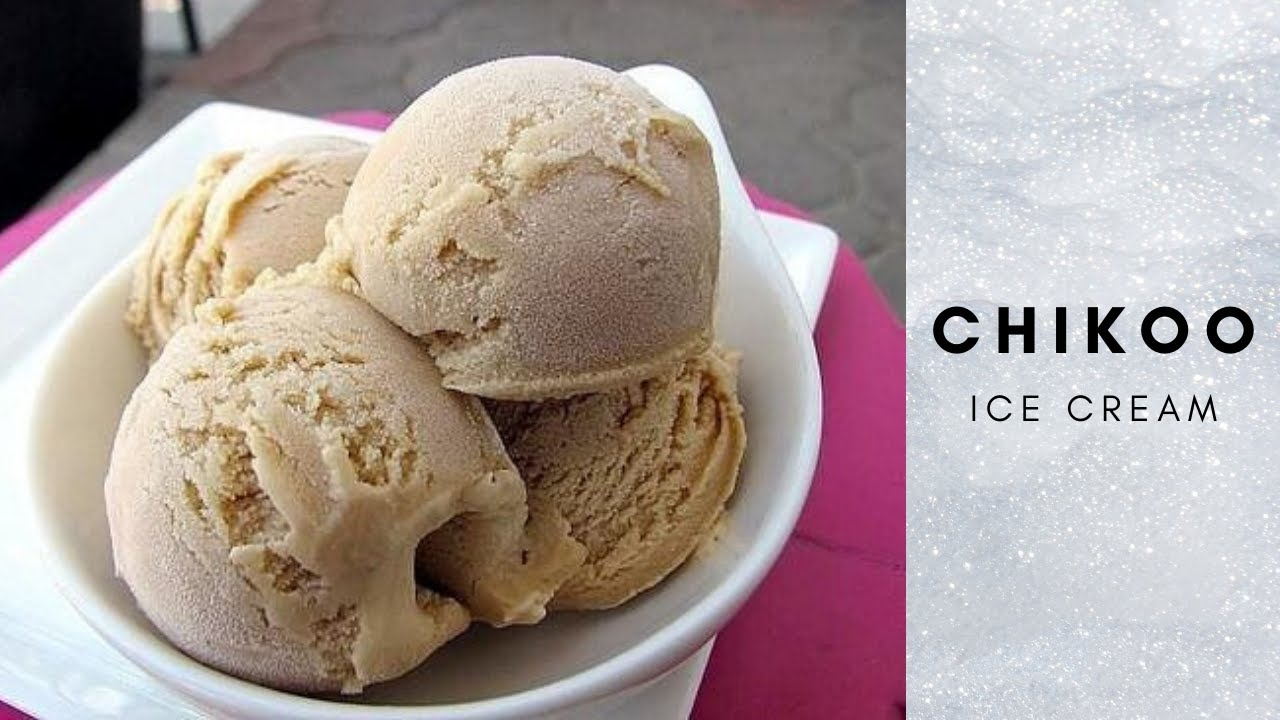
Chiku Ice Cream is a delightful frozen treat made with the sweet and caramel-like flavor of chiku, also known as sapodilla or sapota. This tropical fruit is loved for its natural sweetness and grainy texture, making it a unique ingredient for desserts. When transformed into ice cream, chiku adds a rich, fruity taste that feels indulgent yet refreshing, perfect for summer days or as a sweet ending to any meal.
Originating from Central America but widely grown in India, especially in Gujarat and Maharashtra, chiku has become a household favorite. Its smooth flesh, often compared to brown sugar and pear, blends beautifully with milk and cream, resulting in an ice cream that is both exotic and comforting. Unlike regular fruit ice creams that can sometimes be tangy, chiku ice cream stands out with its mellow, sweet, and almost toffee-like flavor.
This ice cream is a popular homemade dessert in Indian households, especially during the chiku harvest season. It is often prepared without eggs, making it an excellent vegetarian-friendly option. With just a handful of ingredients, including fresh chiku pulp, cream, milk, and sugar, you can make a creamy, scoopable ice cream that rivals any store-bought version. For those who enjoy experimenting, chiku ice cream can also be layered with chocolate chips, caramel sauce, or even a hint of cinnamon to elevate its natural flavor.
Whether served in a cone, a bowl, or as a side with warm desserts like brownies or waffles, chiku ice cream is a versatile indulgence. It captures the nostalgic essence of homemade ice creams while offering a taste of something distinctively tropical and rare in many parts of the world.
Chiku Ice Cream Ingredients
Serves: 4 people
- Ripe chikus (sapodilla) – 5 to 6 (peeled, deseeded, and pureed)
- Full cream milk – 1 cup
- Fresh cream – 1 cup (chilled)
- Condensed milk – ½ cup
- Sugar – 3 to 4 tbsp (adjust based on fruit sweetness)
- Vanilla essence – ½ tsp (optional)
Steps
- Peel and deseed the ripe chikus, then blend them into a smooth puree. Set aside.
- In a mixing bowl, whisk together the fresh cream and condensed milk until well combined.
- Add the milk, sugar, and vanilla essence to the cream mixture, whisking until smooth.
- Fold the chiku puree into the mixture, ensuring the flavor is evenly distributed.
- Pour the mixture into an airtight container and cover with cling wrap to prevent ice crystals.
- Freeze for about 6–7 hours or overnight, stirring once or twice during the first few hours for a creamier texture.
- Once fully set, scoop into bowls or cones and serve chilled.
Health Benefits
Chiku ice cream is not just delicious but also offers certain health benefits. Chiku is rich in dietary fiber, making it good for digestion, and contains antioxidants that support overall immunity. It is also a source of natural sugars, providing quick energy. When combined with milk and cream, the ice cream becomes a source of calcium and protein, which strengthen bones and muscles. Although best enjoyed in moderation due to its richness, chiku ice cream can be a healthier alternative to artificial-flavored desserts when made at home with fresh fruit.
Chikoo (sapota) in ice cream provides nutrients like vitamins C and A, potassium, fiber, and antioxidants, which support immunity, digestion, and bone health, while also offering a source of energy and contributing to healthy skin. However, traditional ice cream can be high in sugar and fat, so the health benefits are best realized when chikoo is prepared with minimal added sugars and in a balanced way.
Kitchen Tip: For an extra indulgent version, add a swirl of caramel sauce or sprinkle crushed nuts like cashews or pistachios before freezing to enhance both flavor and texture.