
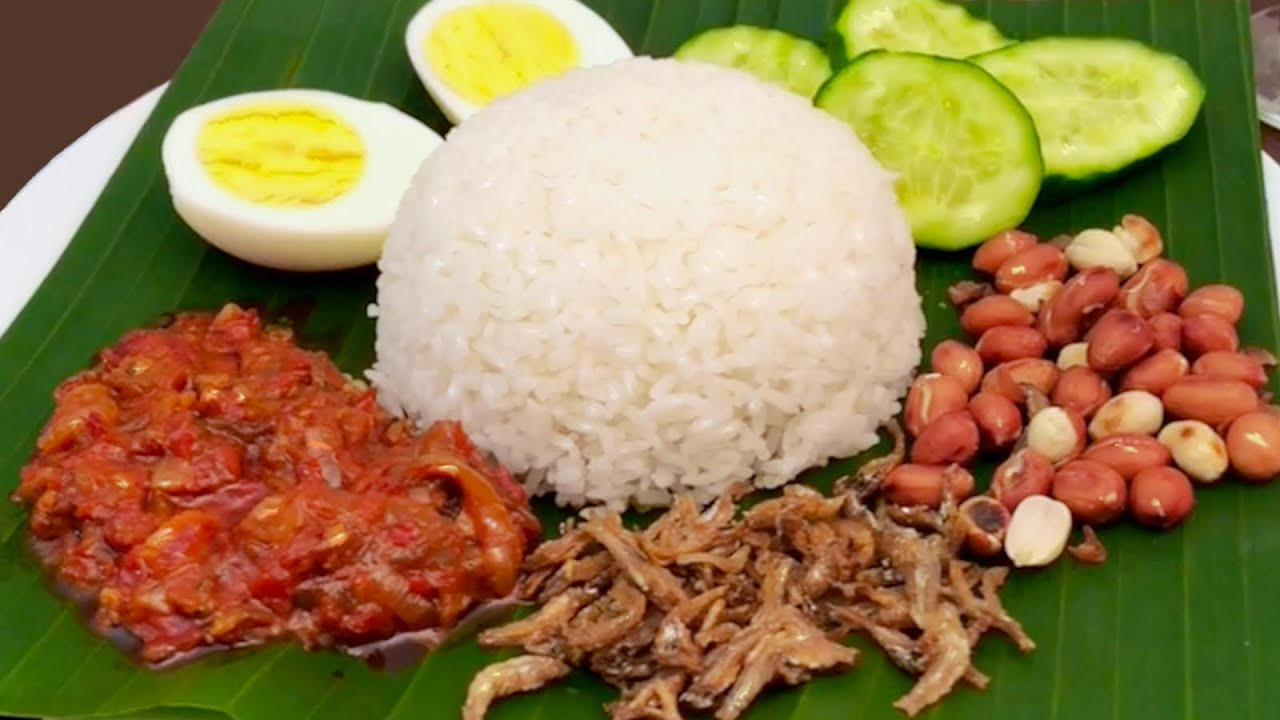
Nasi Lemak is more than just a meal—it is a cultural symbol of Malaysia and one of the most beloved dishes in Southeast Asia. Known for its fragrant coconut rice paired with a medley of flavorful accompaniments, nasi lemak is often enjoyed as breakfast, lunch, or dinner. Its unique combination of textures and flavors, from creamy rice to spicy sambal and crunchy anchovies, makes it a dish that is comforting, satisfying, and unforgettable. Even beyond Malaysia, nasi lemak has found its way to neighboring countries like Singapore, Indonesia, and Thailand, where it continues to win hearts as a versatile and wholesome delicacy.
The origins of nasi lemak date back to traditional Malay households, where rice cooked in coconut milk was a staple meal. The word “lemak” refers to the richness imparted by coconut milk, which gives the rice its signature aroma and flavor. Originally a farmer’s meal, nasi lemak provided a hearty and energizing start to the day. Over time, the dish evolved into a national favorite, gaining recognition across all communities in Malaysia. Today, it is commonly sold at roadside stalls, hawker centers, and restaurants, often wrapped in banana leaves for added fragrance and authenticity.
One of the most appealing aspects of nasi lemak is its balance of flavors. The richness of the coconut rice pairs perfectly with the spiciness of sambal, the saltiness of fried anchovies, the creaminess of hard-boiled eggs, and the crunch of roasted peanuts. Modern variations of nasi lemak include accompaniments such as fried chicken, beef rendang, or squid sambal, turning it from a simple breakfast into a hearty feast. The flexibility of the dish makes it suitable for different occasions, whether as a quick meal on the go or a centerpiece at festive gatherings.
Despite being indulgent, nasi lemak can also be nutritious when enjoyed in moderation. Coconut milk provides healthy fats, while rice is a source of carbohydrates for energy. Adding vegetables, eggs, peanuts, and proteins like chicken or tofu ensures that the meal is well-rounded. For vegetarians, nasi lemak can easily be adapted by skipping anchovies and adding more plant-based sides like tempeh, stir-fried greens, or vegetarian sambal. Its adaptability is another reason why it remains popular across different dietary preferences.
Nasi Lemak Ingredients
Serves: 4 people
- Long-grain rice – 2 cups
- Coconut milk – 1 ½ cups
- Water – 1 ½ cups
- Pandan leaves – 2 (tied in a knot, optional)
- Salt – 1 tsp
For Sambal:
- Dried red chilies – 10 (soaked and blended)
- Onions – 2 (sliced)
- Garlic – 3 cloves
- Tamarind paste – 1 tbsp
- Sugar – 1 tbsp
- Salt – 1 tsp
- Oil – 3 tbsp
Accompaniments:
- Hard-boiled eggs – 4 (halved)
- Fried anchovies (ikan bilis) – ½ cup
- Roasted peanuts – ½ cup
- Sliced cucumber – 1 cup
- Fried chicken or tofu – optional, for variation
Steps
- Rinse the rice thoroughly, then combine it with coconut milk, water, pandan leaves, and salt in a pot or rice cooker. Cook until fluffy and fragrant.
- To prepare sambal, heat oil in a pan and sauté onions, garlic, and blended chilies until fragrant.
- Add tamarind paste, sugar, and salt, then simmer until the sambal thickens and develops a deep, rich flavor.
- Fry the anchovies until golden and crispy, then set aside.
- Roast the peanuts lightly or toast them in a dry pan for added crunch.
- Boil eggs, peel, and slice them in half.
- Wash and slice cucumber thinly to add freshness to the dish.
- To assemble, place a scoop of coconut rice on a plate or banana leaf, then arrange sambal, anchovies, peanuts, cucumber, and eggs around it. Add fried chicken or tofu if desired.
- Serve hot and enjoy the rich medley of flavors.
Health Benefits
Nasi lemak is a wholesome meal when consumed mindfully. Coconut milk provides medium-chain fatty acids that are easier for the body to process, while rice offers essential energy. Sambal, rich in chilies, contains capsaicin, which may boost metabolism. Eggs contribute protein and vitamins, while peanuts add healthy fats and anchovies provide calcium and iron. By incorporating vegetables and lean proteins, nasi lemak can be a balanced dish that nourishes the body while still delivering indulgent flavors.
Kitchen Tip: For extra aroma, always use pandan leaves when cooking the rice—they add a natural fragrance that makes nasi lemak truly authentic.