
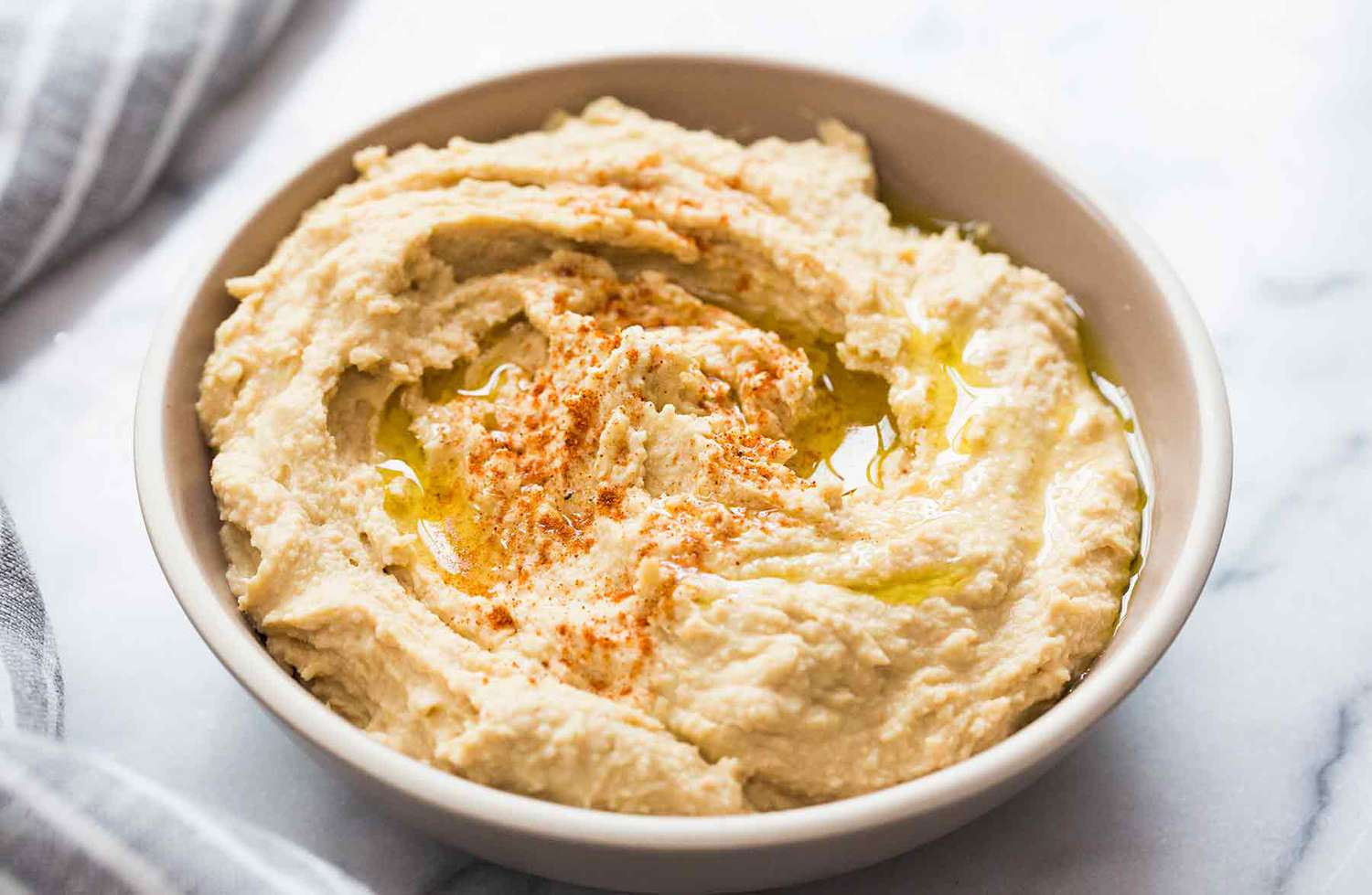
Hummus is one of the most popular and beloved dishes from Middle Eastern cuisine, celebrated for its creamy texture, earthy flavor, and incredible versatility. This smooth dip, made from chickpeas, tahini, olive oil, lemon juice, and garlic, has become a staple not only in Middle Eastern households but also around the globe. Whether used as a spread, a dip, or even a side dish, hummus adds richness and flavor to any meal. It is often paired with warm pita bread, fresh vegetables, or served as part of a mezze platter, making it both delicious and nourishing.
The history of hummus goes back centuries, with several Middle Eastern countries claiming its origin, including Lebanon, Israel, and Palestine. The earliest known recipes resembling hummus date back to the 13th century in Egyptian cookbooks, where mashed chickpeas were mixed with vinegar and pickled lemons. Over time, tahini became a key ingredient, giving hummus its characteristic nutty flavor and smooth texture. Today, hummus has traveled far beyond its origins, finding a permanent place in kitchens and restaurants worldwide, thanks to its wholesome ingredients and universal appeal.
Hummus is more than just a dish; it is a cultural symbol of hospitality and togetherness in the Middle East. It is often shared at family gatherings, festive occasions, and even casual meals, where everyone dips into the same bowl. Each country and even household has its own variation—some prefer it creamier, some tangier, while others top it with whole chickpeas, paprika, or olive oil. This diversity has made hummus a dish that evolves constantly while staying true to its roots.
In recent decades, hummus has become especially popular in Western countries as a health food. It is rich in plant-based protein, high in fiber, and naturally gluten-free, making it a perfect choice for vegetarians and vegans. Its creamy texture and ability to absorb flavors make it a versatile ingredient in wraps, salads, sandwiches, and even as a dip for chips and crackers. What was once a humble dish from the Middle East is now a global favorite found in supermarkets, cafes, and fine-dining restaurants alike.
Ingredients
Serves: 4 people
- Chickpeas (kabuli chana) – 1 cup (soaked overnight and boiled)
- Tahini (sesame seed paste) – 3 tbsp
- Olive oil – 3 tbsp (plus extra for garnish)
- Garlic – 2 cloves
- Lemon juice – 3 tbsp
- Salt – 1 tsp (or to taste)
- Ground cumin – ½ tsp (optional, for flavor)
- Cold water – 3–4 tbsp
- Paprika or chili powder – ½ tsp (for garnish)
- Fresh parsley – 1 tbsp (chopped, for garnish)
Steps
- Soak chickpeas overnight, then drain and pressure cook until soft. Reserve some of the cooking water.
- Add boiled chickpeas, tahini, garlic, lemon juice, salt, and cumin to a blender.
- Blend into a smooth paste, gradually adding cold water or reserved cooking water to achieve a creamy consistency.
- Slowly drizzle in olive oil while blending to make the hummus silky and rich.
- Taste and adjust seasoning if needed by adding more lemon juice or salt.
- Transfer to a serving bowl, drizzle with olive oil, and sprinkle with paprika or chili powder.
- Garnish with parsley and serve with pita bread, lavash, or vegetable sticks.
Health Benefits
Hummus is a powerhouse of nutrition, offering both taste and health in every bite. Chickpeas provide plant-based protein and are high in dietary fiber, which supports digestion and helps keep you full longer. Tahini contributes healthy fats, calcium, and iron, while olive oil is rich in antioxidants and promotes heart health. Garlic and lemon juice add antibacterial properties and boost immunity. Naturally gluten-free and low in saturated fat, hummus makes an excellent snack or side dish for people seeking wholesome yet flavorful options.
Kitchen Tip: For an extra creamy hummus, peel the chickpeas after boiling—they blend more smoothly and give the dip a silky finish.