
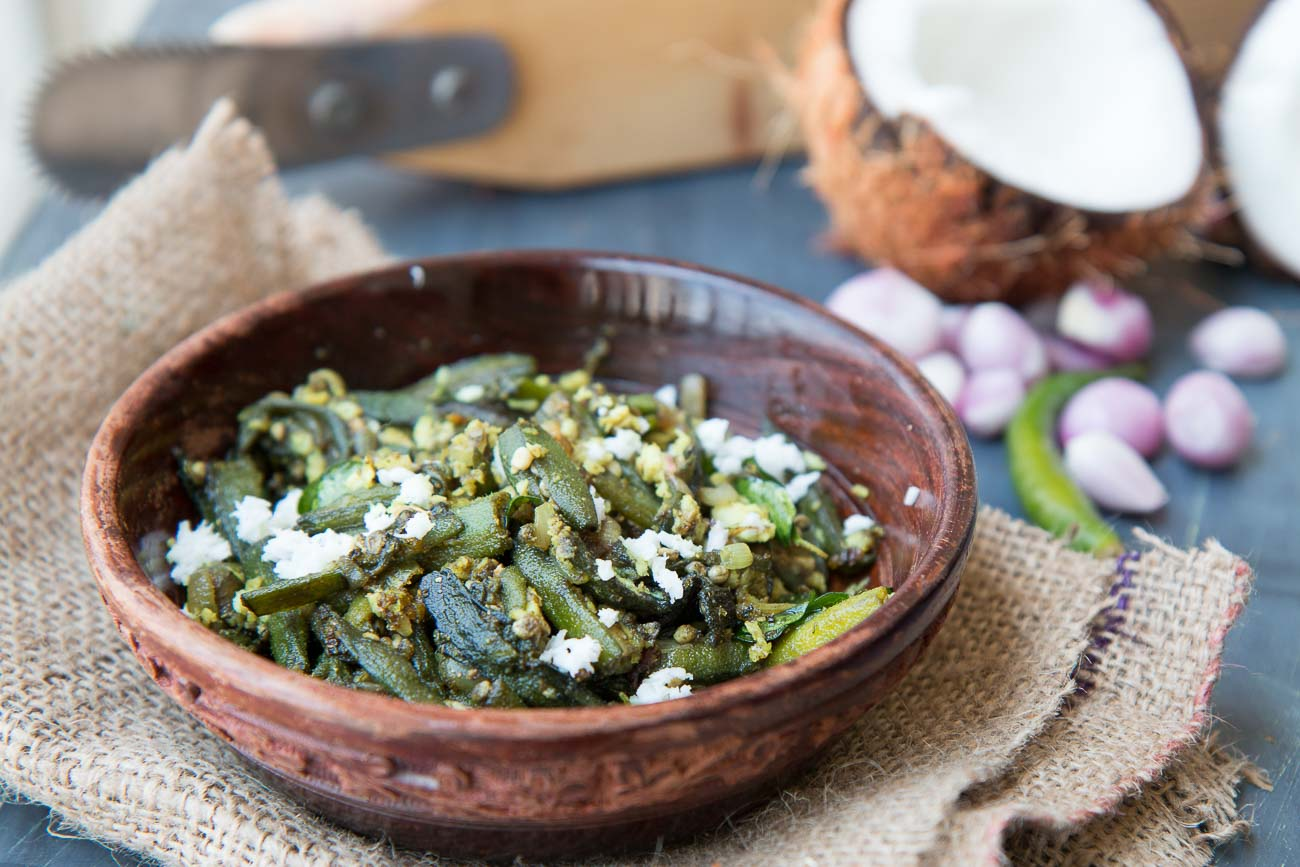
Thoran is one of the most essential and traditional vegetable dishes from Kerala, widely loved for its simplicity, freshness, and wholesome flavor. It is a dry vegetable stir-fry made with finely chopped vegetables, grated coconut, green chilies, and curry leaves, tempered with mustard seeds and cooked in coconut oil. Thoran is an everyday dish in Kerala households, often paired with rice and curry, and it also holds a special place in festive Sadya feasts. Its light, aromatic, and mildly spiced nature makes it a versatile preparation suitable for almost any vegetable.
The history of Thoran is deeply rooted in Kerala’s agrarian lifestyle and cultural traditions. With coconut trees abundant in the region, grated coconut became an indispensable ingredient in most dishes, giving rise to preparations like Thoran. It is believed that Thoran originated as a way to incorporate seasonal vegetables into the diet while keeping the cooking style simple and nutritious. The dish evolved as farmers combined freshly harvested vegetables with ground coconut, chilies, and curry leaves, creating a meal that was both healthy and flavorful. Over centuries, Thoran has become a staple in Kerala’s cuisine, symbolizing the use of local and sustainable ingredients.
What makes Thoran unique is its adaptability. Almost any vegetable can be used—cabbage, beans, carrots, beetroot, spinach, or even jackfruit. The common thread is the grated coconut that binds the dish together with its mild sweetness and nutty taste. No Sadya, the traditional Kerala vegetarian feast, is complete without a Thoran. Alongside rice, sambar, and Avial, it adds color, texture, and nutrition to the spread. Even outside of festivals, Thoran is a comfort dish that families prepare daily, highlighting its cultural importance and popularity.
In modern kitchens, Thoran has gained recognition beyond Kerala due to its health benefits and simplicity. It requires minimal oil, uses fresh ingredients, and avoids heavy spices, making it suitable for health-conscious eaters and those looking for balanced vegetarian meals. Its freshness and vibrant flavors have also appealed to international audiences, where it is often featured in South Indian restaurants as part of thalis. Thoran demonstrates how simple cooking can create dishes that are both delicious and nourishing.
Thoran Ingredients
Serves: 3–4 people
- Cabbage (or beans/carrot/beetroot) – 2 cups (finely chopped)
- Fresh grated coconut – ½ cup
- Green chilies – 2 (slit)
- Curry leaves – 8–10
- Mustard seeds – 1 tsp
- Onion – 1 small (finely chopped, optional)
- Garlic – 2 cloves (optional)
- Turmeric powder – ½ tsp
- Salt – 1 tsp (or to taste)
- Coconut oil – 2 tbsp
Steps
- Wash and finely chop the chosen vegetable. Keep aside.
- Heat coconut oil in a pan, add mustard seeds, and let them splutter.
- Add curry leaves, green chilies, and onion (if using), sauté until slightly soft.
- Add the chopped vegetables along with turmeric powder and salt. Stir well.
- Sprinkle a little water, cover, and cook on low flame until the vegetables are tender but not mushy.
- Add grated coconut and mix gently to combine with the vegetables.
- Cook for another 2–3 minutes, stirring occasionally, until the flavors blend well.
- Serve hot with steamed rice, sambar, or rasam.
Health Benefits
Thoran is a nutrient-dense dish that combines the goodness of fresh vegetables with the health benefits of coconut. The vegetables provide essential vitamins, minerals, and fiber, while coconut adds healthy fats and antioxidants. The use of coconut oil in moderation is beneficial for heart health and digestion. Since Thoran is lightly spiced and low in oil, it is easily digestible and ideal for daily meals. It supports overall wellness by offering a balance of carbohydrates, proteins, and fats when paired with rice and other dishes.
Kitchen Tip: To keep Thoran vibrant and fresh, avoid overcooking the vegetables—retain a slight crunch for the best flavor and texture.