
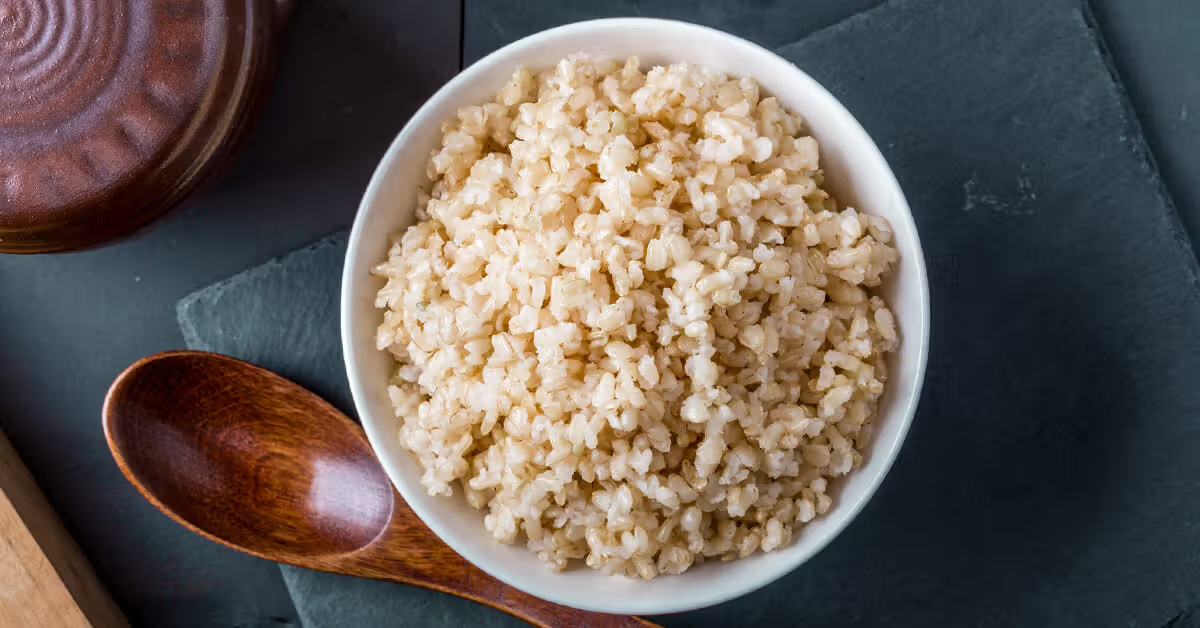
Brown rice is a wholesome staple that has been enjoyed across cultures for centuries, valued for its earthy flavor, chewy texture, and nutritional richness. Unlike white rice, which undergoes extensive milling and polishing, brown rice retains its bran and germ layers, making it more nutrient-dense and fibrous. This simple difference not only enhances its health benefits but also gives it a distinctive taste and texture that people around the world have grown to love. From Asian kitchens to modern health-conscious households, brown rice has carved a niche as both a traditional grain and a contemporary superfood.
The history of rice cultivation spans over 10,000 years, originating in Asia, where rice became a cornerstone of sustenance and culture. Brown rice was the earliest form consumed before white rice processing gained popularity. In ancient times, brown rice was associated with rural diets, while polished white rice was preferred in wealthier communities for its refined appearance. However, as nutritional science evolved, the significance of brown rice resurfaced, bringing it back into mainstream diets as a healthier alternative. Today, it has become a popular choice among fitness enthusiasts, people managing lifestyle diseases, and those seeking wholesome grains in their meals.
Culturally, brown rice carries different meanings in different regions. In Japan, it is known as genmai and is often consumed by those focusing on traditional health practices. In India, brown rice has been adopted into Ayurvedic diets due to its grounding and nourishing qualities. In the West, it has become a staple in vegetarian, vegan, and weight-loss-friendly diets. This wide acceptance demonstrates the adaptability of brown rice, fitting seamlessly into diverse cuisines while retaining its core identity as a food of wellness.
What sets brown rice apart is its versatility. It can be served plain alongside curries, stir-fried with vegetables, mixed into grain bowls, or even used as a base for soups and salads. Though it takes slightly longer to cook than white rice, the payoff is worth it—a chewy, nutty dish that provides both flavor and satiety. Its ability to absorb spices and sauces makes it perfect for experimenting with both traditional and modern recipes. Whether enjoyed as part of a hearty Indian dal chawal, paired with stir-fried tofu in Asian cuisine, or added to Mediterranean-inspired bowls with chickpeas and roasted vegetables, brown rice proves itself to be endlessly versatile.
Ingredients
Serves: 3–4 people
- Brown rice – 1 cup (uncooked)
- Water – 2½ cups
- Salt – ½ tsp
- Olive oil or ghee – 1 tsp (optional, for added flavor)
Optional Add-ons for Serving:
- Steamed vegetables – 1 cup
- Fresh herbs (coriander, parsley, or basil) – 2 tbsp (chopped)
- Lemon juice – 1 tbsp
Steps
- Rinse the brown rice thoroughly under running water 2–3 times to remove excess starch.
- Soak the rice in water for 30 minutes to reduce cooking time and improve texture.
- In a saucepan, bring 2½ cups of water to a boil.
- Add the soaked rice and salt, then reduce the heat to low.
- Cover with a lid and let it simmer for 35–40 minutes until the grains are tender but slightly chewy.
- Once cooked, turn off the heat and let the rice rest, covered, for 10 minutes to allow it to absorb any remaining steam.
- Fluff the rice gently with a fork.
- Serve hot as a base for curries, vegetable stir-fries, or with a squeeze of lemon juice and fresh herbs for extra freshness.
Health Benefits
Brown rice is a powerhouse of nutrients. It is high in dietary fiber, which aids digestion, prevents constipation, and promotes a feeling of fullness, making it ideal for weight management. Unlike white rice, it has a lower glycemic index, which helps regulate blood sugar levels and makes it suitable for people with diabetes. Brown rice is also rich in essential minerals like magnesium, phosphorus, selenium, and manganese, all of which contribute to bone strength, energy production, and immunity. Its antioxidant content supports heart health, while the complex carbohydrates provide long-lasting energy. Regular consumption of brown rice can reduce the risk of chronic diseases and support overall well-being.
Kitchen Tip: To enhance the nutty flavor of brown rice, dry roast it in a pan for 3–4 minutes before cooking—it deepens the aroma and gives a richer taste.