
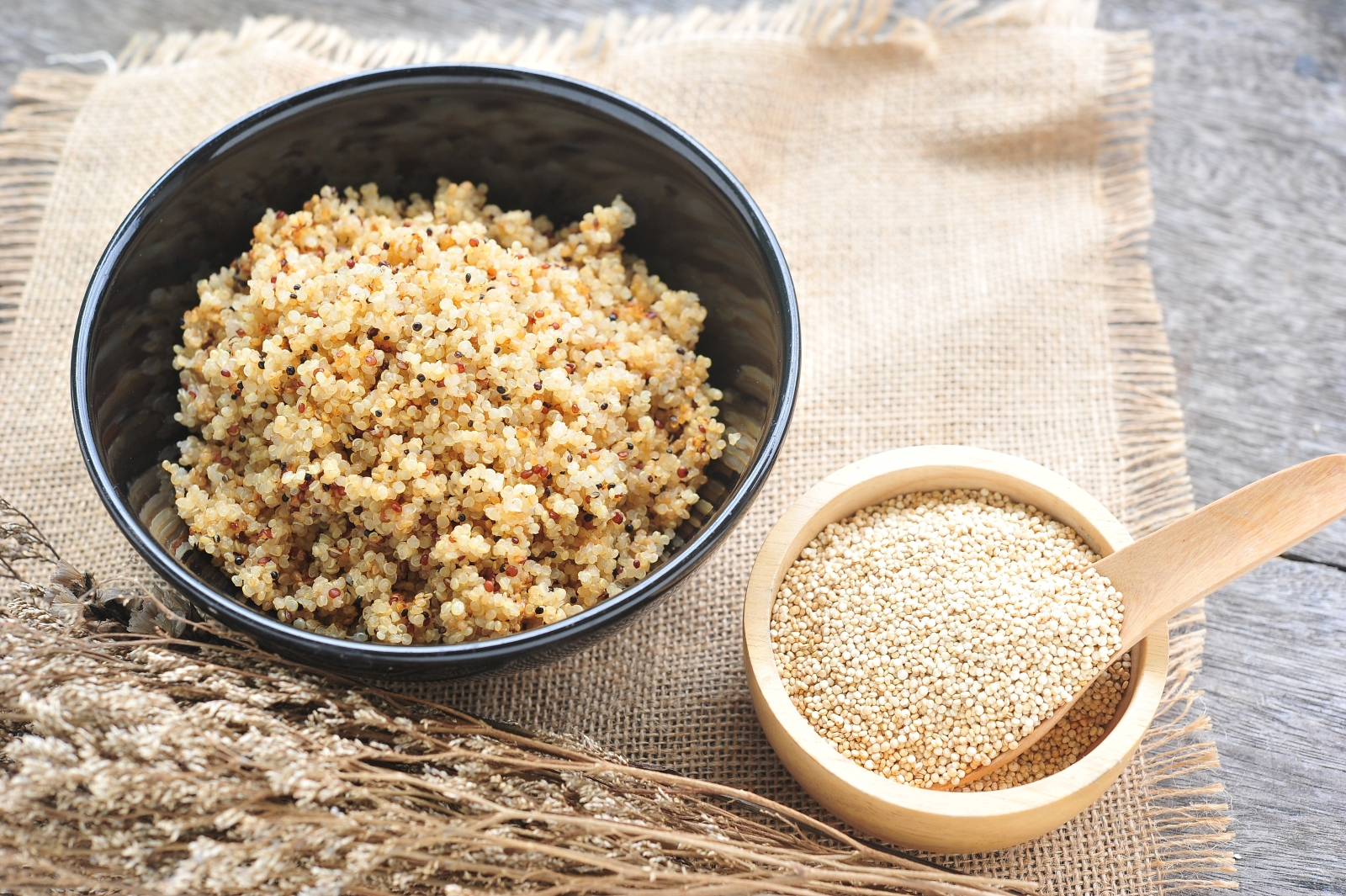
Quinoa, often hailed as a “superfood,” has become a global favorite thanks to its outstanding nutritional profile and versatility in cooking. Light, fluffy, and nutty in flavor, quinoa can be enjoyed in salads, soups, stir-fries, or as a wholesome substitute for rice. What makes it stand out is not just its taste but also its incredible health benefits, making it a staple in kitchens for those who prioritize wellness without compromising on flavor.
The history of quinoa dates back thousands of years, with its origins rooted in the Andean regions of South America, particularly Peru and Bolivia. Known as the “mother grain” by the ancient Incas, quinoa was considered sacred and was an essential part of their diet and rituals. Though technically a seed rather than a grain, it has long been cultivated for its resilience in harsh climates and its ability to provide complete nutrition. In modern times, as global awareness of healthy eating has grown, quinoa has surged in popularity across continents, making its way into both gourmet restaurants and everyday home kitchens.
Quinoa’s rise to international fame also highlights its adaptability. Traditionally consumed as a porridge-like dish by Andean communities, it has now evolved into countless recipes, from grain bowls and pilafs to pancakes and desserts. It pairs beautifully with vegetables, proteins, and herbs, allowing endless room for creativity. Beyond being a health food trend, quinoa has also become a culinary canvas for chefs and home cooks worldwide, celebrated for both its texture and its ability to absorb flavors of spices, dressings, and sauces.
Another reason quinoa remains popular is its practicality in today’s fast-paced lifestyle. It cooks quickly, usually within 15 minutes, and stores well, making it a perfect option for meal prepping. Whether served warm in a hearty stew or chilled in a refreshing salad, quinoa offers a satisfying and nourishing base. Its lightness makes it suitable for all meals—breakfast, lunch, or dinner—while still being filling and energizing. This adaptability ensures that quinoa is not just a trend but a lasting addition to healthy diets everywhere.
Ingredients
Serves: 3–4 people
- Quinoa – 1 cup (uncooked)
- Water – 2 cups (or vegetable broth for added flavor)
- Olive oil – 1 tbsp
- Garlic – 2 cloves (minced)
- Onion – 1 small (finely chopped)
- Mixed vegetables (carrot, bell pepper, beans, peas) – 1 cup (chopped)
- Salt – 1 tsp
- Black pepper – ½ tsp
- Lemon juice – 2 tbsp
- Fresh parsley or coriander – 2 tbsp (chopped)
- Roasted nuts or seeds (optional) – 2 tbsp for garnish
Steps
- Rinse the quinoa thoroughly under cold water to remove its natural coating (saponin), which can taste bitter.
- In a saucepan, bring water or vegetable broth to a boil.
- Add quinoa, reduce the heat to low, cover with a lid, and simmer for 12–15 minutes until the grains absorb the liquid and turn fluffy.
- Meanwhile, heat olive oil in a separate pan and sauté garlic and onion until fragrant.
- Add mixed vegetables, season with salt and black pepper, and cook until slightly tender yet crisp.
- Fluff the cooked quinoa with a fork and transfer it into the pan with vegetables.
- Mix well, drizzle with lemon juice, and sprinkle fresh parsley or coriander.
- Garnish with roasted nuts or seeds if desired, and serve warm as a main dish or side.
Health Benefits
This food renowned for being a complete protein, containing all nine essential amino acids, making it especially valuable for vegetarians and vegans. It is naturally gluten-free and rich in dietary fiber, aiding digestion and promoting heart health. Packed with magnesium, iron, zinc, and B vitamins, quinoa supports overall energy levels and immunity. Its low glycemic index helps regulate blood sugar, making it suitable for those managing diabetes. Eating this regularly can contribute to muscle repair, improved metabolism, and better weight management. When paired with vegetables, it becomes a powerhouse meal, offering balanced nutrition in every bite.
Kitchen Tip: For a nutty flavor boost, lightly toast quinoa in a dry pan before cooking—it enhances the aroma and makes the dish even tastier.